Why Mold Is Common in Toronto Climate

Why Mold Is Common in Toronto’s Climate & How to Prevent

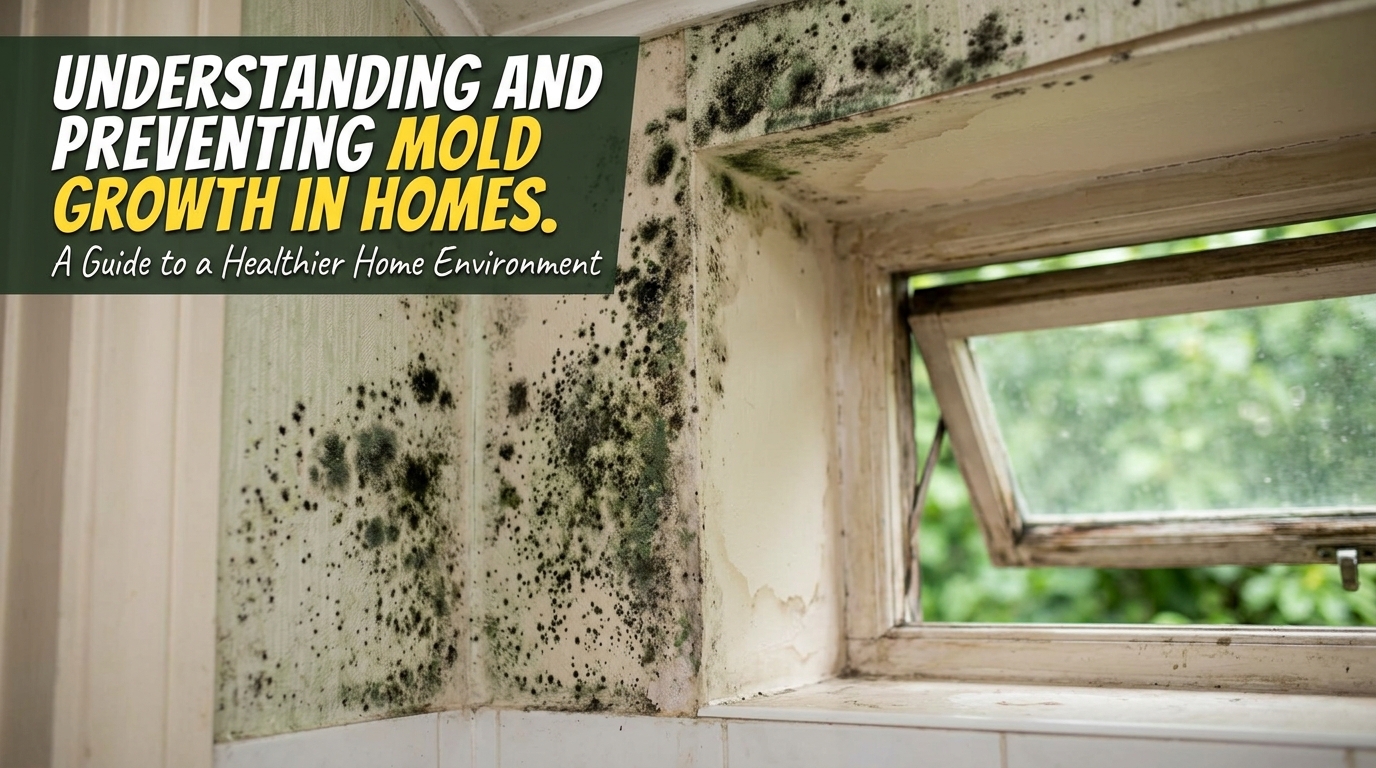
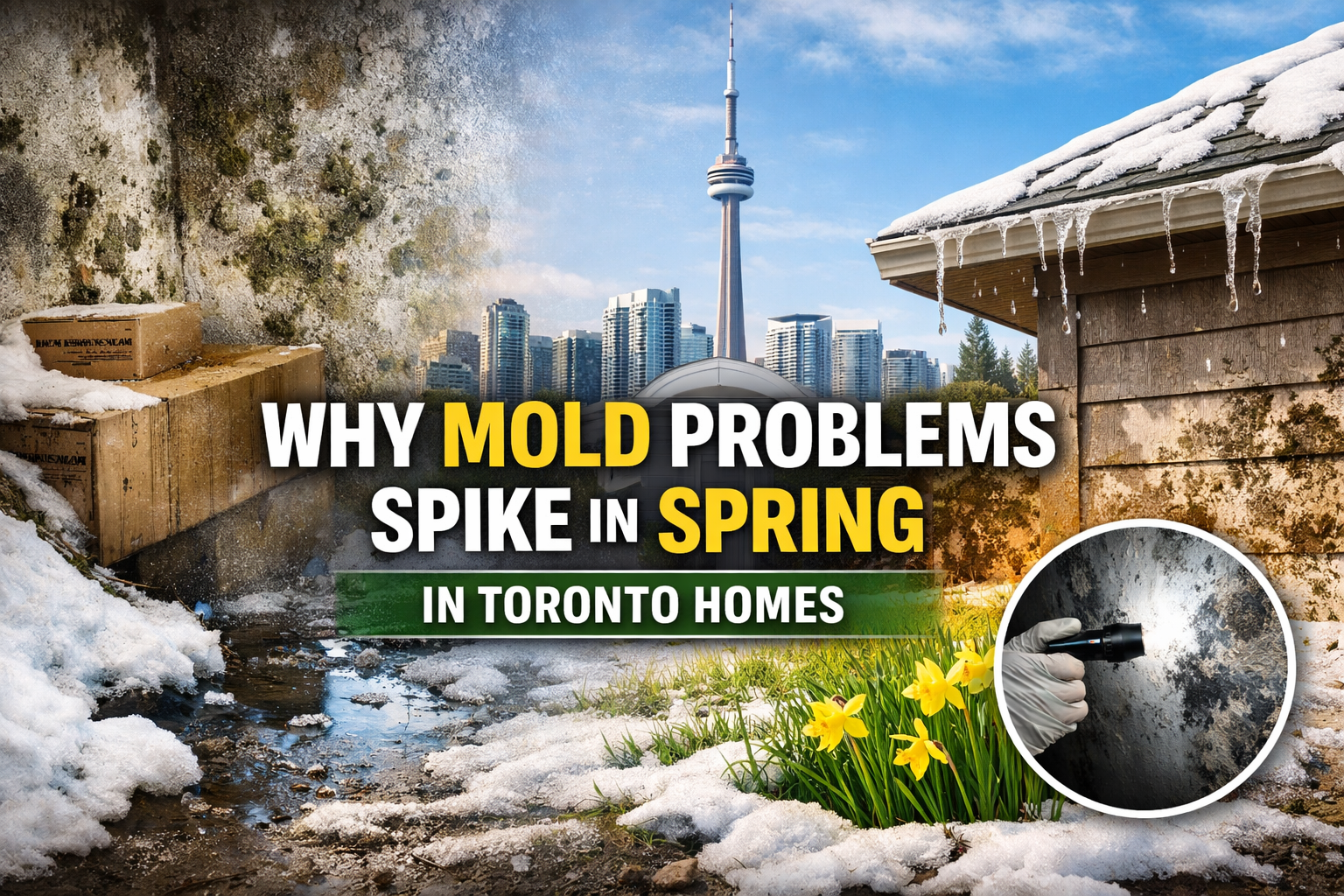
Mold growth in homes is not random—it is strongly influenced by regional climate conditions. In Toronto, the combination of high seasonal humidity, cold winters, and fluctuating temperatures creates an environment where mold can easily develop indoors. Toronto climate Humidity levels Temperature fluctuations Indoor condensation Building insulation & ventilation These factors interact to create persistent moisture […]
Read more

Mold Spore Levels Explained: What’s Normal vs Dangerous?

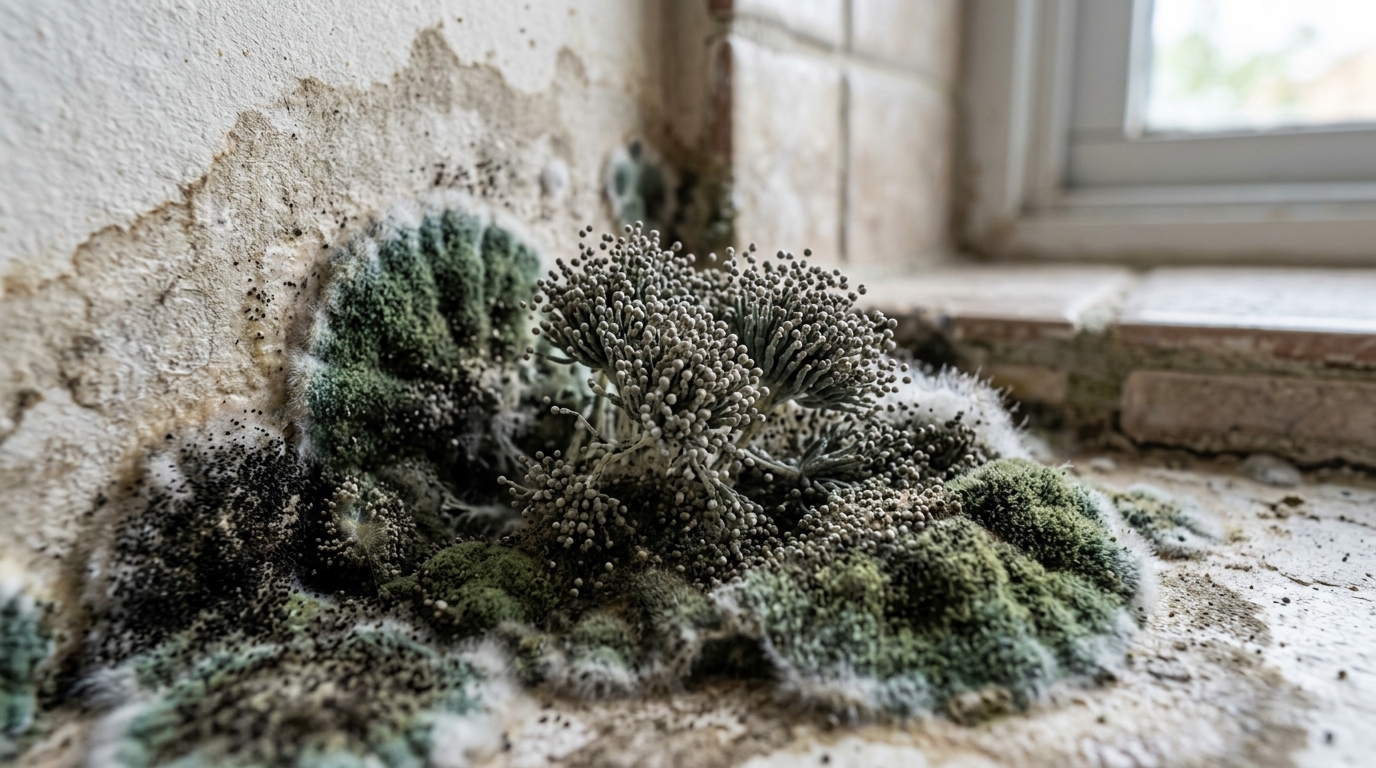
What Are Mold Spores? Mold spores are microscopic reproductive cells released by mold fungi. Mold spores travel through air and grow on surfaces with moisture, oxygen, and organic material. Indoor mold spores can trigger allergies and respiratory issues when concentrations exceed normal outdoor levels of 200–500 spores per cubic meter. Download this PDF about Mold […]
Read more
air testing and mold testing

Mold Testing for Home: Sampling, Detection, Benefits & Analysis

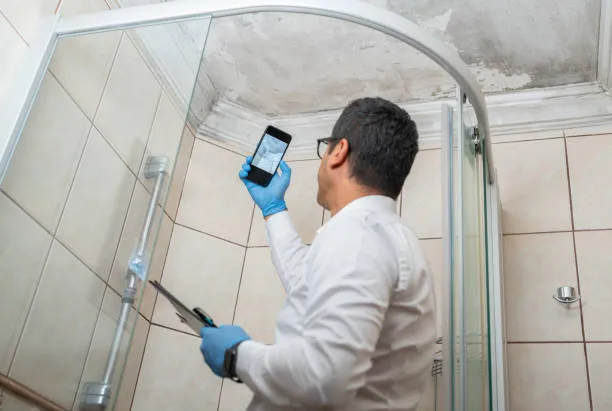
Summary Mold testing helps determine whether mold spores are present in your home and identifies the type and concentration of mold affecting indoor air quality. Testing methods such as air sampling, surface sampling, and bulk material analysis can reveal hidden contamination that may not be visible. Professional mold testing is often recommended when homeowners notice […]
Read more
How Negative Air Pressure Protects Your Home During Mold Remediation

Mold Containment During Remediation – Requirements & Rules

Mold Containment: Proper Isolation Is Critical During Mold Remediation Will mold spread during removal? That is the first question most homeowners ask. And it is a valid one. Mold spores are microscopic. The moment contaminated materials are disturbed, spores become airborne. If the work area is not isolated, those spores can move into clean rooms, […]
Read more