
Updated on 19-Nov-2026
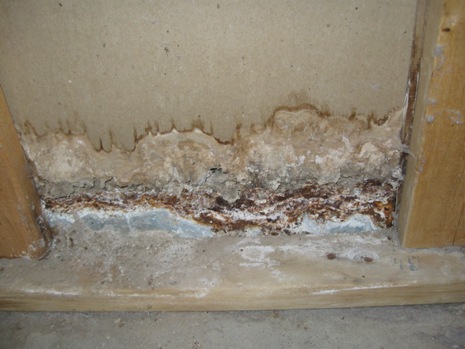
Discovering mold in your home can be concerning, particularly when it appears on walls, ceilings, furniture, flooring, or belongings affected by water damage. While small areas of mold may be manageable with appropriate cleaning precautions, extensive contamination or mold hidden inside building materials requires a more careful approach.
Effective mold cleanup involves more than wiping away visible growth. Homeowners must identify and correct the moisture source, determine which materials can be cleaned, remove materials that cannot be salvaged, and dry the affected area thoroughly. Without addressing the underlying moisture problem, mold can return even after the visible contamination has been removed.
In Toronto and the Greater Toronto Area (GTA), common causes include basement seepage, plumbing leaks, roof damage, flooding, condensation, and inadequate ventilation.
This guide explains how to clean mold safely, what to do with mold-damaged belongings, when professional remediation is necessary, and how to prevent mold from returning.
If you have discovered mold in your property, Ultimate Mold Crew provides professional mold inspection and remediation services in Toronto and the GTA.
Table of Contents
What Is Mold Cleanup?
Mold cleanup is the process of removing visible mold contamination, cleaning affected surfaces and belongings where appropriate, disposing of materials that cannot be effectively cleaned, and correcting the moisture conditions responsible for mold growth.
Mold is a type of fungus that reproduces through microscopic spores. These spores are naturally present in indoor and outdoor environments. When they encounter suitable conditions, particularly moisture and organic material, they can develop into visible colonies.
A proper mold cleanup project should address three essential objectives:
- Remove mold contamination: Clean affected surfaces and remove contaminated materials that cannot be adequately restored.
- Correct moisture problems: Identify and repair leaks, water intrusion, condensation, or other conditions supporting mold growth.
- Prevent cross-contamination: Use appropriate cleaning precautions and containment measures to reduce the movement of mold-containing dust and debris into unaffected areas.
Simply spraying a chemical over visible mold does not necessarily remove the contamination or resolve the moisture problem.
How Do You Know If Your Home Needs Mold Cleanup?
Mold is not always immediately visible. It can develop behind drywall, beneath flooring, inside insulation, around plumbing penetrations, and in other concealed areas where moisture accumulates.
Common signs that a property may need mold cleanup include:
- Visible mold growth: Dark, green, grey, or white patches on walls, ceilings, flooring, furniture, or other materials.
- Persistent musty odors: A musty or earthy smell that remains even after regular cleaning may indicate hidden moisture or mold growth.
- Water stains and discolouration: Brown marks, bubbling paint, peeling wallpaper, and damaged drywall can indicate previous or ongoing water intrusion.
- Damp building materials: Wet carpets, swollen baseboards, soft drywall, and moisture-damaged wood may create conditions favourable to mold growth.
- Recurring mold: Mold that returns after cleaning often indicates that the underlying moisture source has not been corrected.
- Condensation problems: Persistent condensation around windows, exterior walls, or cold surfaces can contribute to localized mold growth.
A visual inspection and moisture assessment can help determine whether the problem is limited to a small surface area or extends into concealed building materials.
How Much Mold Requires Professional Cleanup in Canada?
Health Canada provides a practical classification system for determining the extent of indoor mold contamination and deciding whether professional assistance is appropriate.
The classification considers both the number of affected patches and their combined surface area.
| Mold contamination category | Health Canada guidance | Recommended approach |
|---|---|---|
| Small | Three or fewer patches, with a combined area of 1 m² or less | May generally be cleaned by homeowners using appropriate precautions |
| Medium | More than three patches, or a combined area greater than 1 m² but less than 3 m² | Professional assessment is recommended; cleanup may still be manageable with appropriate precautions |
| Large | A single affected area larger than 3 m² | Professional assessment and cleanup are recommended |
These thresholds are screening guidance, not a guarantee that smaller contamination is harmless or that every larger project requires the same remediation procedure.
The presence of multiple small patches throughout a property may indicate a more extensive moisture problem than the visible areas suggest.
Professional assistance is particularly important when mold repeatedly returns, contaminated floodwater is involved, or growth is suspected inside wall cavities, ceilings, or other concealed spaces.
Source: Health Canada – Guide to Addressing Moisture and Mold Indoors.
How to Clean Mold From Your Home Safely
The appropriate cleaning method depends on the affected material, the extent of contamination, and whether the underlying moisture problem has been resolved.
For small areas of mold on suitable, washable surfaces, homeowners may be able to perform cleanup themselves using appropriate protective equipment.
Health Canada recommends safety glasses or goggles, a disposable N95 respirator, and household disposable gloves when cleaning small or medium areas of mold.
Step 1: Identify and Stop the Moisture Source
Before cleaning begins, determine why the mold developed.
Common sources include:
- Leaking plumbing pipes and fixtures.
- Roof leaks and damaged flashing.
- Basement foundation seepage.
- Flooding and appliance-related water damage.
- Condensation on windows and exterior walls.
- Poor bathroom or kitchen ventilation.
- Moisture trapped behind drywall or beneath flooring.
Repair active leaks and address water intrusion before attempting to complete the cleanup. Otherwise, the affected materials may become damp again and support recurring mold growth.
Step 2: Protect Yourself and the Surrounding Area
Wear appropriate protective equipment when cleaning small areas of mold.
Keep children, pets, and people particularly sensitive to mold away from the cleaning area.
For more extensive contamination, professional containment may be necessary to prevent mold-containing dust and debris from spreading into unaffected rooms.
Avoid dry brushing, sanding, or aggressively disturbing moldy materials without appropriate precautions.
Step 3: Clean Suitable Hard Surfaces
Non-porous and washable materials such as glass, metal, tile, and some finished surfaces can generally be cleaned using an appropriate detergent or unscented soap solution.
Health Canada’s recommended approach includes:
- Apply an appropriate cleaning solution to the affected surface.
- Gently scrub away visible mold using a suitable cloth or brush.
- Wipe away the remaining residue.
- Dry the surface thoroughly and promptly.
Cleaning should be appropriate for the material. Avoid excessive water on drywall, wood products, and other materials that can absorb moisture.
Health Canada advises against using bleach as the standard solution for indoor mold cleanup.
Step 4: Remove Materials That Cannot Be Properly Cleaned
Some materials absorb moisture and allow mold to grow beyond the visible surface.
Examples include:
- Heavily contaminated drywall.
- Mold-damaged insulation.
- Carpet and carpet underlay.
- Ceiling tiles.
- Water-damaged particleboard and MDF.
- Heavily contaminated upholstered materials.
- Certain cardboard and paper products.
These materials may need to be removed and discarded when effective cleaning is not possible.
The decision should consider the material’s condition, moisture exposure, contamination, and whether it can be restored safely.
Step 5: Dry the Affected Area Completely
Removing visible mold is only part of the cleanup process.
Wet building materials must be dried, and the conditions responsible for moisture accumulation must be corrected.
Depending on the situation, drying measures may include:
- Improving ventilation.
- Using appropriate dehumidification equipment.
- Removing standing water.
- Correcting plumbing or roof leaks.
- Monitoring moisture levels inside affected materials.
- Repairing drainage and water-intrusion problems.
If mold continues returning after cleaning, the moisture source may still be present.
Can You Clean Mold From Furniture, Clothing and Other Belongings?
Mold contamination can affect more than the structure of a home. Furniture, clothing, mattresses, photographs, documents, electronics, and personal belongings may also be exposed during flooding or prolonged moisture problems.
Whether an item can be restored depends on its material, the extent of contamination, and how long it remained wet.
Cleaning Mold From Wooden Furniture
Solid wood furniture may sometimes be cleaned and restored if contamination is limited to accessible surfaces and the material has not suffered significant deterioration.
For suitable finished surfaces:
- Remove loose dust and debris carefully.
- Clean the affected surface using a compatible cleaning solution.
- Avoid saturating the wood.
- Dry the furniture thoroughly.
- Inspect joints, undersides, and concealed sections for additional contamination.
Particleboard, MDF, and heavily water-damaged composite furniture are more difficult to restore because moisture and mold can penetrate the material.
If contamination has entered the material or the furniture has deteriorated, disposal may be necessary.
Cleaning Mold From Upholstered Furniture
Sofas, mattresses, upholstered chairs, and other fabric-covered furniture can absorb moisture deeply.
Surface cleaning may not remove mold contamination from the internal padding or concealed materials.
Consider the following:
- Dry, washable fabric items with limited surface contamination may sometimes be cleaned appropriately.
- Upholstered furniture exposed to prolonged moisture may be difficult to restore.
- Mold-contaminated mattresses and heavily affected foam materials may need disposal.
- Professional textile restoration may be appropriate for valuable items that can be safely salvaged.
Avoid using ordinary household vacuums on contaminated materials. A suitable HEPA-filtered vacuum may be used by trained professionals as part of an appropriate cleaning procedure.
Cleaning Mold From Clothing, Bedding and Curtains
Washable clothing and certain fabrics may be recoverable if contamination is limited and the material can tolerate laundering.
Follow the fabric care instructions and use an appropriate laundry detergent.
However, mattresses, pillows, bedding, and heavily contaminated soft furnishings require additional consideration because mold can penetrate internal materials.
Items that remain musty or visibly contaminated after cleaning should not automatically be considered safe to reuse.
What Should You Do With Mold-Damaged Electronics?
Electronics exposed to water or moisture require special handling.
Do not switch on, charge, or attempt to operate an electronic device that may have sustained water damage. Doing so can create electrical hazards and cause additional damage.
Recommended precautions include:
- Disconnect power only if it is safe to do so.
- Avoid opening or dismantling the device yourself.
- Keep the equipment away from additional moisture.
- Consult a qualified electronics restoration specialist.
Mold-contaminated electronics may require professional inspection to determine whether cleaning or restoration is technically feasible.
Can Mold-Damaged Photographs and Important Documents Be Saved?
Photographs, certificates, books, and paper documents can deteriorate quickly when exposed to moisture.
Avoid aggressively wiping or rubbing affected paper surfaces, as this can damage ink, photographs, and delicate fibres.
For valuable documents and photographs:
- Handle items carefully.
- Separate affected items from clean materials where possible.
- Avoid using direct heat.
- Keep items in a suitable dry environment.
- Contact a specialist in document or photograph restoration when necessary.
SERVPRO’s contents-restoration guide also identifies dry cleaning, wet cleaning, spray-and-wipe, foam cleaning, and immersion cleaning as different approaches used for appropriate materials. The correct method depends on the item and the type of contamination.
Not every restoration company offers specialist contents restoration. Ultimate Mold Crew focuses on property mold inspection, remediation, moisture-related cleanup, and selective demolition rather than promising restoration of every household possession.
What Is the Professional Mold Cleanup Process?
Professional mold cleanup requires a controlled approach, particularly when contamination affects drywall, insulation, flooring, ceilings, or other building materials.
Ultimate Mold Crew follows a structured remediation process informed by the ANSI/IICRC S520 framework.
The exact scope depends on the extent of contamination, affected materials, moisture conditions, and building layout.
1. Inspection and Mold Damage Assessment
The process begins with examining the affected area and identifying the conditions that support mold growth.
An assessment may include:
- Visual examination of affected and surrounding surfaces.
- Moisture measurements.
- Relative humidity readings.
- Inspection of plumbing, roofing, and building-envelope concerns.
- Thermal imaging where appropriate.
- Assessment of drywall, insulation, flooring, and structural materials.
The purpose is to determine the extent of visible and suspected hidden contamination and establish an appropriate remediation scope.
2. Mold Containment and Isolation
When required, the affected work area is isolated to reduce the movement of mold-containing dust and debris into unaffected spaces.
Containment may include:
- Polyethylene containment barriers.
- Sealed access openings.
- Protection of floors and surrounding surfaces.
- Isolation of relevant HVAC openings.
- Negative air pressure systems.
- HEPA-filtered air scrubbers.
The size and complexity of containment depend on the project conditions and contamination risk.
Read our guide on mold containment and negative air pressure to understand how controlled work areas help reduce cross-contamination.
3. Removal of Mold-Contaminated Materials
Porous materials that cannot be adequately cleaned may need controlled removal.
Depending on the affected area, this may include:
- Drywall.
- Insulation.
- Carpet and underlay.
- Ceiling materials.
- Particleboard and MDF.
- Water-damaged building components.
Contaminated debris is handled and disposed of appropriately to limit contamination outside the work zone.
Selective demolition may be required to reach mold growth hidden behind finished surfaces.
4. HEPA Vacuuming and Surface Cleaning
After contaminated materials are removed, remaining surfaces are cleaned using methods appropriate for the material and contamination.
Professional cleaning may involve:
- HEPA vacuuming.
- Damp wiping.
- Mechanical cleaning where appropriate.
- Removal of visible debris and settled dust.
- Cleaning of exposed structural surfaces.
Chemical treatments may be appropriate in certain circumstances, but spraying an antimicrobial product does not replace physical removal of mold contamination.
5. Structural Drying and Moisture Correction
The affected area must be brought back to suitable dry conditions before repairs or reconstruction.
Depending on the project, drying may involve commercial dehumidifiers, air movers, moisture meters, and ongoing moisture monitoring.
The moisture source must also be corrected. This may require plumbing repairs, drainage improvements, roof repairs, ventilation improvements, or other building-related work.
6. Final Cleaning and Post-Remediation Verification
Once removal and cleaning are complete, the work area should be reviewed before containment is dismantled and reconstruction begins.
Verification may include:
- Visual inspection.
- Moisture measurements.
- Confirmation that visible mold and remediation debris have been removed.
- Review of the original moisture problem.
- Independent post-remediation assessment or laboratory testing where appropriate.
The need for independent testing depends on the project, the agreed scope, and the reason verification is required.
For extensive projects, independent post-remediation verification can provide additional documentation that the remediation objectives have been met.
Learn more about what to expect during professional mold remediation.
How Do You Prevent Mold From Returning After Cleanup?
Mold prevention depends on controlling moisture and maintaining conditions that allow building materials to remain dry.
Cleaning without addressing the original moisture problem often results in recurring contamination.
Repair Leaks Immediately
Inspect plumbing fixtures, water supply lines, roofs, windows, and foundations for signs of water intrusion.
Even a slow leak can keep drywall, insulation, wood framing, or flooring damp for extended periods.
Maintain Indoor Humidity
Health Canada recommends maintaining indoor relative humidity generally between 30% and 50%.
A hygrometer can help homeowners monitor humidity levels. Dehumidifiers may be useful in damp basements and other areas where humidity remains elevated.
Improve Ventilation
Use kitchen and bathroom exhaust fans to remove moisture generated by everyday activities.
Ensure exhaust systems vent outdoors and are functioning properly.
Inadequate ventilation can allow moisture to accumulate around windows, exterior walls, and other cold surfaces.
Inspect Basements and Attics
Basements and attics are particularly susceptible to moisture-related problems in Toronto homes.
Check for:
- Foundation seepage.
- Condensation on cold surfaces.
- Roof leaks.
- Poor attic ventilation.
- Wet insulation.
- Water stains around windows and roof penetrations.
- Musty odours and visible discolouration.
Addressing these conditions early can help prevent extensive remediation work.
Keep Water-Damaged Materials Dry
After leaks or flooding, remove standing water and begin appropriate drying measures promptly.
Do not leave wet carpets, furniture, insulation, or drywall unattended. Materials that remain damp can develop mold and may require removal.
Common Mold Cleanup Mistakes Homeowners Should Avoid
Some cleanup practices can make a mold problem harder to resolve or allow contamination to return.
Painting Over Mold
Painting over mold does not remove the underlying contamination or correct the moisture problem.
The affected surface must be appropriately cleaned or removed before any repainting or finishing work takes place.
Using Bleach as a Universal Mold Remover
Bleach is not a universal solution for indoor mold cleanup. It may discolour surfaces without addressing contamination within porous materials.
Health Canada recommends using an appropriate soap solution for suitable washable surfaces rather than relying on bleach.
Cleaning Without Fixing the Moisture Source
Mold can return when a leak, condensation problem, or other moisture source remains unresolved.
Always investigate the conditions that caused the original growth.
Disturbing Extensive Mold Without Containment
Scraping, sanding, cutting, or removing contaminated building materials can release dust and mold-containing particles.
Larger or more complex projects require suitable precautions and may need professional containment.
Assuming All Mold-Damaged Belongings Can Be Saved
Some items can be cleaned, while others may remain contaminated internally or be too damaged to restore.
The restoration decision should consider material type, exposure duration, contamination, and the item’s condition.
When Should You Hire a Professional Mold Cleanup Company?
Professional mold remediation may be appropriate when contamination is extensive, recurring, hidden, or associated with significant water damage.
Consider arranging a professional assessment if:
- A single mold patch exceeds 3 m².
- Multiple affected areas are present throughout the property.
- Mold returns after repeated cleaning.
- Mold is suspected behind walls, ceilings, or flooring.
- Flooding or sewage contamination has affected building materials.
- Structural materials remain damp.
- A persistent musty odour exists without an obvious source.
- The cleanup requires controlled demolition or containment.
Health Canada specifically recommends professional assessment for large mold areas, recurring contamination, suspected hidden mold, and contamination associated with sewage or other polluted water.
What Should You Look for When Hiring a Mold Remediation Company?
Before approving a remediation project, ask the company about:
- Experience with residential and commercial mold remediation.
- Relevant training and industry credentials.
- Inspection and moisture-assessment methods.
- Containment and HEPA filtration procedures.
- Handling and disposal of contaminated materials.
- Moisture-source investigation.
- Cleaning and final verification procedures.
- Written scope of work and project documentation.
- Insurance and applicable professional coverage.
For more guidance, read our article on professional mold remediation standards and IICRC S520.
Professional Mold Cleanup in Toronto and the GTA
Mold contamination can affect basements, attics, bathrooms, kitchens, crawl spaces, rental properties, commercial buildings, and other areas where moisture accumulates.
Ultimate Mold Crew provides mold inspection, removal, and remediation services across Toronto and the Greater Toronto Area.
Our approach focuses on identifying the underlying moisture problem, controlling contamination, removing affected materials where necessary, and cleaning the work area using appropriate remediation procedures.
Our services include:
- Mold inspection and moisture assessment.
- Mold containment and negative air pressure.
- HEPA filtration and cleaning.
- Mold-damaged drywall and insulation removal.
- Basement and attic mold remediation.
- Water-damage cleanup and structural drying.
- Selective interior demolition.
- Post-remediation review and testing options.
Whether you have discovered mold following basement flooding, a plumbing leak, attic condensation, or prolonged moisture exposure, the appropriate cleanup method depends on the affected materials and the extent of contamination.
Concerned about mold in your home or business?
Contact Ultimate Mold Crew to discuss your mold concerns and arrange an appropriate assessment.
Call 647-985-2739 or email info@ultimatemoldcrew.ca.
Serving Toronto and the Greater Toronto Area.
Frequently Asked Questions About Mold Cleanup
Can I clean mold myself?
Small areas of mold may generally be cleaned by homeowners using appropriate protective equipment and cleaning methods. Health Canada recommends professional assessment for large contamination, recurring mold, hidden growth, and mold associated with contaminated water.
Does bleach kill mold?
Bleach is not recommended by Health Canada as the standard method for indoor mold cleanup. Suitable washable surfaces can generally be cleaned using an unscented soap solution. Porous materials may require removal if contamination cannot be adequately cleaned.
Can mold grow back after professional cleanup?
Yes. Mold can return if the underlying moisture source remains unresolved. Effective remediation must address both the contamination and the conditions that allowed it to develop, such as leaks, condensation, flooding, or inadequate ventilation.
What materials need to be removed during mold cleanup?
Heavily contaminated porous materials such as drywall, insulation, carpet underlay, ceiling tiles, and some composite wood products may require removal. Hard, non-porous materials can often be cleaned if their condition permits.
Can furniture affected by mold be restored?
Some furniture can be cleaned, particularly solid wood and suitable non-porous surfaces. Upholstered furniture, mattresses, and heavily contaminated particleboard may be difficult to restore. The decision depends on the material, moisture exposure, and extent of contamination.
Can I stay in my home during mold remediation?
It depends on the extent and location of contamination, the work being performed, containment arrangements, and the occupants’ circumstances. Some projects can be completed while occupants remain in unaffected areas. More extensive projects may require temporary relocation.
How long does professional mold cleanup take?
The duration depends on the affected area, moisture source, material removal requirements, containment complexity, and drying time. A small localized project may take considerably less time than a basement or multi-room remediation project.
Is mold cleanup covered by homeowners insurance in Ontario?
Coverage depends on the insurance policy and the circumstances that caused the damage. Sudden and accidental water damage may be treated differently from long-term seepage, maintenance-related moisture, or gradual deterioration. Review your policy and speak with your insurer before assuming remediation costs will be covered.
Do I need mold testing before cleanup?
Not necessarily. Visible mold and moisture conditions can often be assessed through a professional inspection without laboratory testing. Sampling may be useful when the source or extent of contamination is unclear, when hidden contamination is suspected, or when independent documentation is required.
What is the difference between mold cleanup and mold remediation?
Mold cleanup generally refers to the practical removal and cleaning of mold contamination. Mold remediation is a broader process that includes assessment, moisture-source correction, containment when necessary, removal of affected materials, cleaning, drying, and verification.
