
Updated on 22-Sep-2026
Basement mold prevention starts with moisture control.
That is the simple answer.
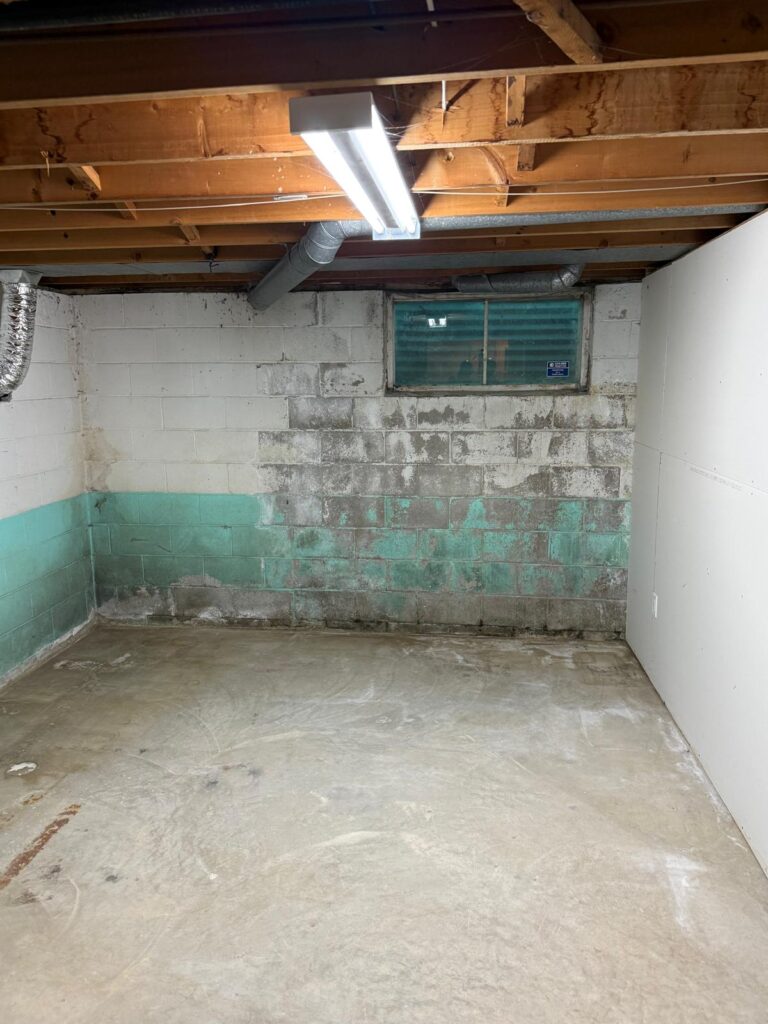
Mold does not grow because a basement is “dirty.” It grows because moisture stays trapped long enough for spores to settle on drywall, wood, insulation, carpet, Concrete Floor, or Bathroom Ceiling
In Toronto homes, basement mold often starts from foundation seepage, high humidity, poor airflow, condensation, plumbing leaks, sump pump issues, or finished walls that hide damp materials.
If you want to stop basement mold, focus on three things:
- Keep humidity under control
- Keep water away from the foundation
- Dry leaks and wet materials fast
Cleaning mold helps only when the moisture problem is fixed. If the basement stays damp, the mold can come back.
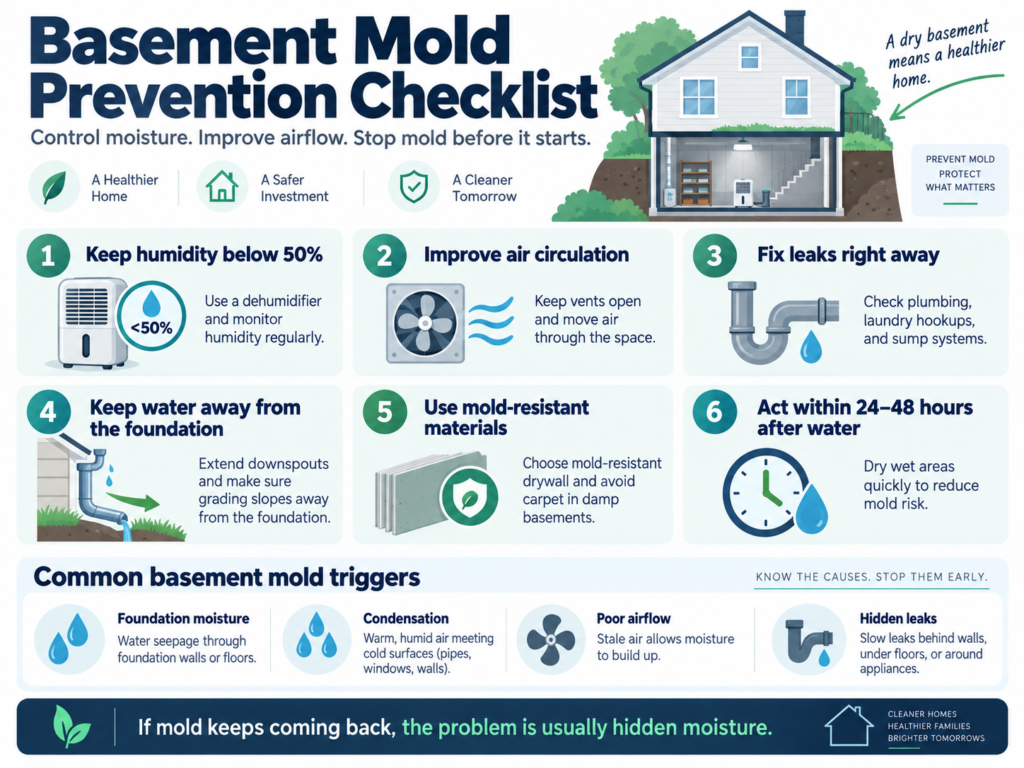
Table of Contents
Quick Answer: How Do You Prevent Mold in a Basement?
The best way to prevent Basement mold is to keep the basement dry, ventilated, and below 50% relative humidity.
Use this checklist:
- Use a dehumidifier in spring, summer, and damp weather
- Monitor humidity with a hygrometer
- Fix plumbing leaks right away
- Keep downspouts extended away from the foundation
- Make sure grading slopes away from the home
- Keep vents open and improve air movement
- Avoid carpet in damp basements
- Keep storage off the floor and away from walls
- Dry wet materials within 24 to 48 hours
- Inspect finished walls if there is a musty smell
- Repair foundation cracks before they get worse
The goal is to remove the conditions mold needs to survive.
Why Basements Get Mold So Easily
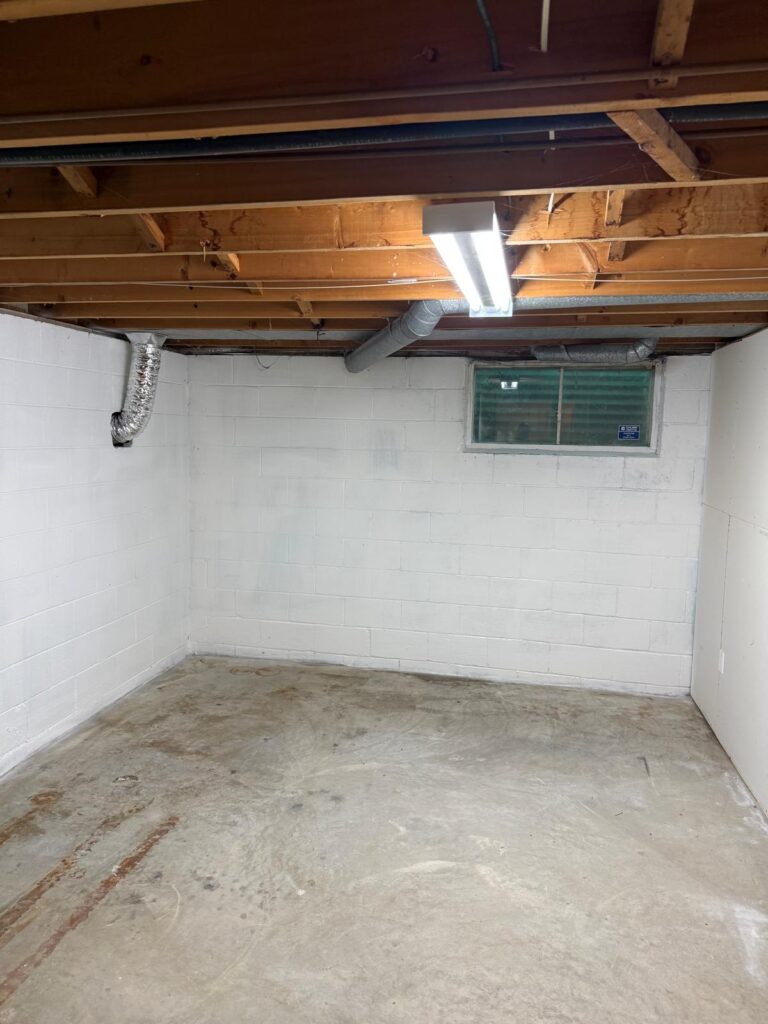
Basements sit partly or fully below ground.
That means they face moisture from the soil, foundation walls, concrete floors, plumbing systems, laundry areas, sump pumps, and indoor humidity.
Even a basement that looks clean can hold moisture behind drywall, under flooring, or inside insulation.
Common basement mold triggers include:
- Water seepage through foundation cracks
- Poor exterior grading
- Short or clogged downspouts
- High indoor humidity
- Condensation on cold walls or pipes
- Poor air circulation
- Wet storage boxes
- Finished walls built over damp concrete
- Slow plumbing leaks
- Washer or laundry hookup leaks
- Sump pump failure
- Basement flooding
Mold follows moisture.
Once moisture gets trapped, the basement can start to smell musty before visible mold appears.
These factors contribute to stagnant, moist air where mold colonies can easily form and spread on drywall, wood, insulation, and storage boxes.
Why Does Mold Keep Coming Back in the Basement?
Mold keeps coming back because the source of moisture was not fixed.
A homeowner may clean a wall, spray a surface, repaint a spot, or throw out a few boxes. That may make the basement look better for a short time.
But the mold returns when:
- Humidity stays too high
- The wall remains damp
- Water keeps entering through the foundation
- Drywall is wet behind the paint
- Carpet or underpad holds moisture
- Air does not move behind furniture or storage
- A small plumbing leak goes unnoticed
- The basement was never fully dried after water damage
If mold returns in the same area, treat it as a moisture investigation, not a cleaning problem.
The stain is the clue. The moisture source is the real issue.
Keep Basement Humidity Below 50%
Humidity control is one of the most important steps in basement mold prevention.
A basement can grow mold even without a major leak if the air stays damp for long periods.
Use a hygrometer to check humidity. It is a small, inexpensive device that shows the relative humidity in the room.
For most Toronto basements, the target is simple:
Keep relative humidity between 30% and 50%.
If your basement stays above 50%, use a dehumidifier. Choose one with an auto-drain option if possible, especially if the basement gets damp every spring or summer.
Good places to check humidity include:
- Near exterior basement walls
- In cold rooms
- In finished basement bedrooms
- Near laundry machines
- In storage rooms
- Near sump pump areas
- Behind large furniture
- In corners with poor airflow
Humidity can change by room. One finished room may feel normal while a storage room stays damp and musty.
Use the Right Dehumidifier
A small dehumidifier may not be enough for a damp basement.
Choose a unit based on basement size, moisture level, and how often it needs to run.
Look for:
- Auto-drain connection
- Built-in humidistat
- Proper capacity for the basement size
- Easy filter cleaning
- Continuous operation mode
- Energy-efficient operation
Place the dehumidifier where air can move around it.
Do not put it tight against a wall, behind boxes, or inside a closed room unless that is the room with the moisture problem.
If the bucket fills every day, connect a drain hose to a floor drain or laundry sink if the setup allows it.
A dehumidifier helps control humidity. It does not fix foundation leaks, plumbing leaks, or flooding.
Improve Basement Air Circulation
Still air holds moisture.
Basements often have poor airflow because they have fewer windows, closed doors, blocked vents, and storage placed against walls.
Improve circulation by:
- Keeping HVAC vents open
- Leaving interior basement doors open when possible
- Moving storage a few inches away from walls
- Using fans to move air through dead zones
- Avoiding packed storage corners
- Keeping return air pathways clear
- Opening windows only when outdoor air is dry
Be careful with open windows in humid weather.
Warm summer air can enter a cool basement, hit cold surfaces, and create condensation. That can make the basement wetter.
Air movement works best when humidity is controlled at the same time.
Stop Water Before It Reaches the Basement
A lot of basement mold starts outside.
Rainwater and snowmelt collect around the foundation. If drainage is poor, water pressure builds against basement walls and floors.
Check the outside of the home.
Make sure:
- Gutters are clean
- Downspouts are connected
- Downspouts extend away from the foundation
- Soil slopes away from the house
- Window wells drain properly
- Basement windows are sealed
- Walkways or patios do not slope toward the home
- Foundation cracks are repaired
Downspouts should move water away from the house, not drop it beside the wall.
If water pools near the foundation after rain, the basement is at higher risk.
Repair Foundation Cracks Early
Small foundation cracks can become moisture entry points.
At first, you may only see a faint stain, white mineral deposits, or a damp line on concrete. Over time, that moisture can affect framing, drywall, insulation, baseboards, and flooring.
Signs of foundation moisture include:
- Efflorescence on concrete
- Peeling paint
- Damp corners
- Water staining
- Musty smell after rain
- Wet baseboards
- Soft drywall near the floor
- Mold behind stored items
Do not finish a basement over damp foundation walls.
If the foundation has active water entry, solve that before adding drywall, flooring, insulation, or built-in cabinets.
Fix Plumbing and Laundry Leaks Quickly
Basements often hold the home’s plumbing systems.
That makes small leaks easy to miss.
Check these areas regularly:
- Laundry hoses
- Washing machine connections
- Utility sink plumbing
- Sump pump discharge
- Water heater area
- Floor drains
- Drain lines
- Pipe joints
- Bathroom plumbing in finished basements
- Under basement sinks
- Around refrigerators or wet bars if present
A slow drip can create mold behind a wall or under flooring before anyone notices.
Look for stains, swelling, bubbling paint, rust marks, soft drywall, lifted flooring, or a musty smell near plumbing.
If you find a leak, fix it first. Then dry the area fully.
Dry Wet Basement Materials Within 24 to 48 Hours
Time matters after a leak, flood, spill, or sewer backup.
Wet materials can start supporting mold growth quickly when they are left damp.
After a water event:
- Stop the water source
- Remove standing water
- Move wet boxes and furniture
- Remove soaked carpet or underpad when needed
- Use dehumidifiers
- Use fans after contaminated material is controlled
- Open wall cavities when needed
- Check moisture behind baseboards
- Dry the area fully before repairs
Do not rely on surface dryness alone.
Drywall, insulation, carpet underpad, wood framing, and subfloor materials can stay wet below the surface.
If the basement was flooded or wet for more than a short period, call a professional before rebuilding.
Be Careful With Carpet in Basements
Carpet can feel warm and comfortable, but it is risky in damp basements.
Carpet and underpad can hold moisture. If water enters the basement, the top may dry while the underpad stays wet.
That creates a perfect mold condition.
Better basement flooring options include:
- Tile
- Vinyl plank rated for basements
- Sealed concrete
- Moisture-tolerant flooring systems
- Removable area rugs that can be cleaned and dried
If you use rugs, keep them washable and easy to move.
Avoid wall-to-wall carpet in basements with a history of moisture, seepage, or high humidity.
Use Mold-Resistant Materials When Finishing a Basement
Finished basements need better moisture planning than upstairs rooms.
Before finishing a basement, check for:
- Foundation dampness
- Past flooding
- Efflorescence
- Musty odours
- High humidity
- Cold wall condensation
- Plumbing risk
- Sump pump reliability
- Exterior drainage problems
For lower-risk construction, consider:
- Mold-resistant drywall
- Closed-cell insulation where suitable
- Moisture-tolerant flooring
- Proper vapour and air control
- Raised storage systems
- Access panels for plumbing areas
- Dehumidification planning
Do not hide a moisture problem behind new finishes.
A renovated basement can look beautiful and still fail if water entry or humidity was ignored before construction.
Keep Storage Off the Floor and Away From Walls
Storage habits can make basement mold worse.
Cardboard boxes, fabric bins, paper, books, wood furniture, and stored clothing can absorb moisture. When they sit against cold walls or directly on the floor, mold risk increases.
Better storage habits:
- Use plastic bins with lids
- Keep bins on shelves
- Leave space between storage and walls
- Avoid storing cardboard on concrete
- Do not overpack closets
- Check stored items after heavy rain
- Keep air moving around storage areas
- Avoid storing fabric items in damp basement corners
If a box smells musty, do not ignore it.
It may be the first sign that humidity or hidden moisture is building.
Prevent Condensation on Basement Walls and Pipes
Condensation forms when warm humid air touches a cold surface.
In basements, this often happens on:
- Concrete walls
- Cold water pipes
- Basement windows
- Exterior wall corners
- Metal ducts
- Uninsulated rim joists
- Cold room walls
You may notice water droplets, damp patches, peeling paint, or mold near cold surfaces.
To reduce condensation:
- Lower indoor humidity
- Improve airflow
- Insulate cold pipes
- Seal air leaks
- Avoid blocking exterior walls with furniture
- Use a dehumidifier
- Review cold room ventilation
Condensation can look like a leak.
If the surface is wet but there is no obvious plumbing or foundation issue, humidity and temperature may be the cause.
Watch for Musty Smells
A musty basement smell is a warning sign.
It can appear before visible mold.
Common sources include:
- Damp drywall
- Wet carpet underpad
- Mold behind baseboards
- Stored cardboard
- Foundation seepage
- Hidden plumbing leaks
- Wet insulation
- Poor airflow in finished rooms
Do not cover the smell with air fresheners.
Find the source.
A musty smell that returns after cleaning usually means moisture is still present somewhere.
Basement Mold in Toronto Homes: What We Commonly See
At Ultimate Mold Crew, many basement mold issues in Toronto homes are tied to a few repeat patterns.
Older homes often have foundation seepage, poor grading, cold basement walls, or finished basements built before moisture was fully controlled.
Newer homes can still have problems from high humidity, poor airflow, sump pump issues, plumbing leaks, or condensation behind stored items.
The most common basement mold triggers we see include:
- Finished walls trapping dampness
- Cardboard storage against concrete
- Downspouts draining too close to the foundation
- Humidity above 50%
- Basement carpets after minor water entry
- Laundry leaks that go unnoticed
- Cold rooms with poor airflow
- Musty smells after heavy rain
The fix depends on the source.
A dehumidifier helps with humidity. It will not solve foundation seepage. Waterproofing helps with water entry. It will not fix a leaking laundry hose.
That is why inspection matters when the mold keeps returning.
Can Basement Mold Affect the Rest of the Home?
Yes.
Basement air does not stay in the basement.
Air can move through stairwells, floor openings, ducts, wall cavities, and pressure changes inside the home.
If a basement has mold, damp materials, or a strong musty smell, it can affect indoor air quality in other parts of the house.
This is especially important when the basement has:
- HVAC equipment
- Return air openings
- Finished living space
- Bedrooms
- Home office areas
- Children’s play areas
- Storage for clothing or furniture
A dry basement supports a healthier home.
When Basement Mold Needs a Professional Inspection
Small surface mold on a hard material may be manageable if the moisture source is fixed.
But call a professional when:
- Mold keeps coming back
- The basement smells musty
- Mold is growing on drywall or baseboards
- The wall feels soft or damp
- There was flooding
- Carpet or underpad got wet
- Mold may be behind finished walls
- Foundation seepage keeps happening
- There are health concerns in the home
- The mold covers a larger area
- You are buying or selling the property
Visible mold is often only the part you can see.
A mold inspection can help identify the moisture source, affected materials, and next steps before the problem spreads.
Basement Mold Prevention Checklist
Use this checklist every season.
Monthly
- Check humidity with a hygrometer
- Empty or clean dehumidifier filters
- Look under laundry hookups
- Check sump pump area
- Smell for musty odours
- Keep vents open
- Move storage away from walls
After Heavy Rain
- Check basement corners
- Look for damp concrete
- Inspect window wells
- Check floor drains
- Look around baseboards
- Confirm downspouts are draining away
- Check cold room walls
Before Finishing a Basement
- Inspect foundation walls
- Check for efflorescence
- Confirm humidity control
- Review sump pump function
- Fix cracks and water entry
- Avoid carpet in damp areas
- Choose moisture-tolerant materials
- Plan for airflow and dehumidification
After a Leak or Flood
- Stop the water source
- Remove standing water
- Move wet contents
- Remove soaked materials when needed
- Dry the area quickly
- Check hidden moisture
- Delay repairs until materials are dry
Final Takeaway
Basement mold prevention is moisture control.
If you keep the basement dry, control humidity, improve airflow, fix leaks fast, and move water away from the foundation, you remove the conditions mold needs to grow.
If mold keeps returning, the problem is usually hidden moisture.
Do not keep cleaning the same spot.
Find the source, dry the materials, and fix the condition that allowed mold to grow.
FAQs About Basement Mold Prevention
How do I prevent mold in my basement?
Control humidity, fix leaks, improve airflow, keep water away from the foundation, avoid carpet in damp areas, and dry wet materials quickly after leaks or flooding.
What humidity level prevents basement mold?
Keep basement humidity between 30% and 50%. If humidity stays above 50%, use a dehumidifier and check for moisture sources.
Do all Toronto basements need a dehumidifier?
Most Toronto basements benefit from a dehumidifier during damp months, especially in spring, summer, and after heavy rain.
Why does my basement smell musty but I do not see mold?
A musty smell can come from hidden moisture behind drywall, under flooring, inside insulation, in stored items, or near foundation seepage. Mold is not always visible at first.
Can basement mold grow behind drywall?
Yes. Finished basements can hide mold behind drywall, insulation, baseboards, and flooring when moisture enters from leaks, condensation, or foundation seepage.
Does opening basement windows prevent mold?
Sometimes, but not always. Opening windows during humid weather can bring moist air into a cool basement and increase condensation. Use a hygrometer to decide.
Is carpet bad for basements?
Carpet can hold moisture and make mold harder to detect. In damp or flood-prone basements, moisture-tolerant flooring is a safer choice.
How fast can mold grow after basement flooding?
Mold can begin growing within 24 to 48 hours when materials stay wet. Fast drying is critical after a leak or flood.
Can I clean basement mold myself?
Small surface mold on hard materials may be cleaned if the source is fixed. Mold on drywall, carpet, insulation, wood framing, or recurring mold should be inspected professionally.
When should I call Ultimate Mold Crew?
Call Ultimate Mold Crew when basement mold keeps coming back, the basement smells musty, drywall or flooring is damp, there was water damage, or you suspect mold behind finished walls.
Sources
- https://www.epa.gov/mold/brief-guide-mold-moisture-and-your-home
- https://www.cdc.gov/mold-health/about/index.html
- https://extension.umn.edu/moisture-and-mold-indoors/dealing-and-preventing-mold-your-home
- https://ehs.ncsu.edu/occupational-health/indoor-air-quality/mold-remediation-guidelines/
- https://en.wikipedia.org/wiki/Indoor_mold
