
Updated on 19-Oct-2026
Table of Contents
How Much Does Mold Removal Cost In 2026?
Professional mold removal cost in Toronto ranges from $500 to $6,000 depending on the affected area size, mold severity, material damage, and containment requirements. Small bathroom mold removal projects typically cost $500 to $1,500, while attic, basement, or whole-home remediation can exceed $10,000. Toronto mold removal companies often charge $10 to $30 per square foot for professional remediation, air filtration, and post-removal cleaning.”
For an affordable quote get in touch with our certified Toronto mold removal specialist here
To help you make an informed an affordable decision we created a compact calculator . Try our mold removal calculator below for estimates.
Toronto Mold Removal Cost Estimator
Get an instant 2026 planning estimate in seconds
For larger remediation projects, a rough Toronto planning range is $10 to $30 per square foot. Small projects can have a higher effective cost per square foot because containment, equipment setup and air filtration still have minimum labour and equipment costs.
| Mold Removal Scope | Typical Planning Range |
|---|---|
| Small localized mold problem | $500–$1,500 |
| Single affected wall, room or contained area | $1,250–$4,000 |
| Larger attic, basement or hidden wall remediation | $2,000–$9,000+ |
| Extensive or whole-home remediation | $10,000+ |
These are planning ranges, not fixed quotes. Material damage, access, containment, demolition, moisture correction, testing and reconstruction can change the final cost.
Mold Removal Cost Per Square Foot in Toronto
Mold removal in Toronto typically costs $10–$30 per square foot for larger remediation projects, with total costs depending on the affected area, contaminated materials, accessibility, containment requirements, and moisture damage. Small projects can cost more per square foot because equipment setup, HEPA air filtration, protective equipment, and waste disposal create minimum service costs.
Average Mold Remediation Cost by Affected Area
- Up to 100 sq. ft.: $1,000–$3,000
- Up to 500 sq. ft.: $3,000–$10,000
- Large or whole-home remediation: $10,000–$25,000+
These estimates are planning ranges, not fixed quotes. The final price depends on the remediation scope, the materials affected, and the work required to remove the mold safely.
What Affects Mold Removal Cost Per Square Foot?
Mold remediation costs in Toronto depend on five main factors:
- Contaminated materials: Mold affecting drywall, insulation, flooring, or enclosed wall cavities may require material removal and replacement.
- Affected area: Larger contaminated areas often require more labour, equipment, containment, and disposal.
- Accessibility: Mold inside walls, attics, crawl spaces, or other confined areas can increase labour costs.
- Containment and air filtration: Containment barriers, HEPA air filtration, and protective equipment add to the project cost.
Moisture source and repairs: Fixing leaks or other moisture problems may add to the total cost but helps prevent recurring mold growth.
Does black mold cost more to remove?
Not necessarily. Mold colour alone does not determine remediation cost. The affected materials, extent of contamination, accessibility, moisture source, and required safety controls generally have a greater influence on the final price.
Need an affordable estimate?
Call 647-985-2739 Share the details and get clear next steps before the issue spreads. You can also use our mold removal cost calculator.
Mold Removal Cost by Size of the Affected Area
The size of the contaminated area is one of the biggest factors affecting mold removal cost in Toronto.
However, square footage should be used as a planning guide rather than a fixed pricing formula.
A small area hidden behind drywall can cost more to remediate than a larger area of accessible surface mold.
| Affected Area | Typical Situation | Planning Cost Range |
|---|---|---|
| Under 10 sq. ft. | Window area, bathroom corner, small localized patch | $500–$1,500 |
| 10–50 sq. ft. | One wall section, bathroom ceiling, localized basement area | $1,250–$3,000 |
| 50–150 sq. ft. | Larger wall cavity, finished basement section, attic section | $3,000–$5,000 |
| 150–300 sq. ft. | Multiple walls, larger attic or basement project | $5,000–$8,000+ |
| 300+ sq. ft. | Whole basement, multiple rooms or widespread hidden contamination | $8,000–$15,000+ |
Square footage does not tell the whole story. Removing mold from exposed concrete is different from opening a finished wall containing drywall, insulation, wiring and contaminated framing. The second project can require demolition, containment, disposal, drying and reconstruction even when the visible mold area looks smaller.
How Affected Surface Type Can Impact the Cost Of Mold Removal
Two mold problems covering the same square footage can have very different remediation costs.
| Material | Typical Cost Impact | Why |
|---|---|---|
| Tile, glass or metal | Lower | Accessible non-porous surfaces are often easier to clean |
| Concrete or masonry | Lower to moderate | Usually accessible, although moisture entry must still be corrected |
| Drywall | Moderate to high | Contaminated sections may require controlled demolition |
| Wood framing | Moderate to high | Cleaning method depends on condition and depth of contamination |
| Carpet and underpad | Higher | Contaminated porous material often requires removal |
| Insulation | Higher | Wet or contaminated insulation may require disposal and replacement |
| Finished wall cavities | Higher | Requires access, demolition, containment and eventual reconstruction |
In our experience, hidden material damage is often what changes an estimate the most. A homeowner may see several square feet of staining along a baseboard, while inspection shows that moisture has travelled behind the drywall into insulation and framing. The quote has to account for the affected assembly, not just the visible stain.
Mold Removal Cost by Area of the Home in Toronto
Mold removal costs in Toronto vary by location because each area has different moisture sources, building materials, accessibility, and remediation requirements. Bathroom mold may involve surface cleaning or drywall removal, while basement, attic, and crawl space mold can require more extensive work if moisture has damaged insulation, framing, or other concealed materials.
The total cost depends on the affected area, the extent of contamination, the materials involved, the accessibility of the mold, and whether the underlying moisture problem needs repair.
| Mold Location | Typical Cost Level | Main cost drivers |
|---|---|---|
| Bathroom surface mold | Lower | Surface growth versus damaged drywallaccess, hard surfaces |
| Mold behind drywall | Medium to high | May need controlled removal, disposal, drying, and repairs |
| Attic mold | Medium to high | Depends on attic size, sheathing, ventilation, insulation, and access |
| Basement mold | High | Foundation moisture and concealed contamination |
| Cold room mold | Medium | Usually tied to condensation, poor airflow, or foundation moisture |
| Crawl space mold | Medium to high | Access, ground moisture, wood framing, and containment affect price |
| Whole-home mold remediation | Highest | Multiple areas, hidden damage, containment, and repairs increase scope |
Bathroom Mold Removal Cost in Toronto
Bathroom mold removal costs depend on whether the mold affects surface materials or has spread into drywall, ceilings, or other concealed areas. Common causes include poor ventilation, excess humidity, deteriorated caulking, and plumbing or ceiling leaks.
Bathroom mold removal usually involves less work when growth is limited to an accessible surface. Mold that has penetrated drywall or resulted from a persistent leak may require material removal, repairs, and additional moisture control.
The main cost factors include:
- Affected area: Small patches generally require less work than widespread growth across ceilings or walls.
- Ventilation: An inadequate exhaust fan or poor airflow can contribute to recurring mold.
- Material damage: Damaged drywall, caulking, or other porous materials may need replacement.
- Leak repairs: Plumbing or ceiling leaks must be addressed to prevent recurring moisture problems.
Basement Mold Removal Cost in Toronto
Basement mold removal costs depend on the extent of moisture intrusion, the affected building materials, and whether the basement has finished walls or flooring. Common causes include foundation seepage, plumbing leaks, high humidity, condensation, and sump pump problems.
Basement mold remediation can become more extensive when mold spreads behind finished walls, beneath flooring, or into insulation. Contractors may need to remove affected materials, establish containment, use HEPA air filtration, and address the source of moisture.
The main basement mold removal cost factors include:
- Foundation moisture: Water seepage or recurring leaks may require additional repairs.
- Finished walls and flooring: Concealed contamination can increase inspection and removal work.
- Insulation and drywall: Water-damaged or contaminated materials may require replacement.
- Humidity control: Dehumidification and moisture management may be needed to reduce recurring mold growth.
- Affected area: A localized problem generally requires a different scope of work than widespread basement contamination.
Attic Mold Removal Cost in Toronto
Attic mold removal costs depend on attic size, mold coverage, accessibility, insulation condition, and the amount of contaminated wood or other material. Common causes include roof leaks, inadequate ventilation, bathroom exhaust fans venting into the attic, and warm indoor air entering a cold attic.
Attic mold removal becomes more involved when mold covers large areas of roof sheathing or rafters, insulation is contaminated, or moisture damage requires repairs. The contractor must assess the affected surfaces, determine whether insulation needs removal, and identify the conditions allowing mold to grow.
The main attic mold removal cost factors include:
- Mold coverage: The amount of affected roof sheathing, rafters, and trusses influences the remediation scope.
- Insulation condition: Wet or contaminated insulation may need removal and replacement.
- Access and working space: Restricted attic access can increase labour requirements.
- Ventilation and air leakage: Ventilation defects or indoor air leakage may need correction.
- Roof damage: Active leaks must be repaired to prevent further moisture intrusion.
Mold Behind Walls: Removal Cost in Toronto
Mold behind walls can cost more to remediate than accessible surface mold because contractors may need to locate concealed contamination, open affected sections, remove damaged materials, and restore the wall afterward.
The cost of removing mold behind walls depends on the extent of hidden growth, the materials affected, and the amount of demolition and reconstruction required. Musty odours, bubbling paint, soft drywall, warped baseboards, water stains, and recurring mold can indicate a moisture problem behind a wall, although these signs do not confirm mold by themselves.
Key cost factors include:
- Inspection and access: Contractors may need to investigate the moisture source and open sections of the wall.
- Drywall and insulation: Contaminated or water-damaged materials may require removal.
- Framing damage: Affected wood framing may need additional assessment and treatment.
- Containment: Dust and contaminated debris may require controlled removal procedures.
- Wall restoration: Replacing drywall, insulation, and finishes can add to the total project cost.
Learn more about mold in finished basement walls.
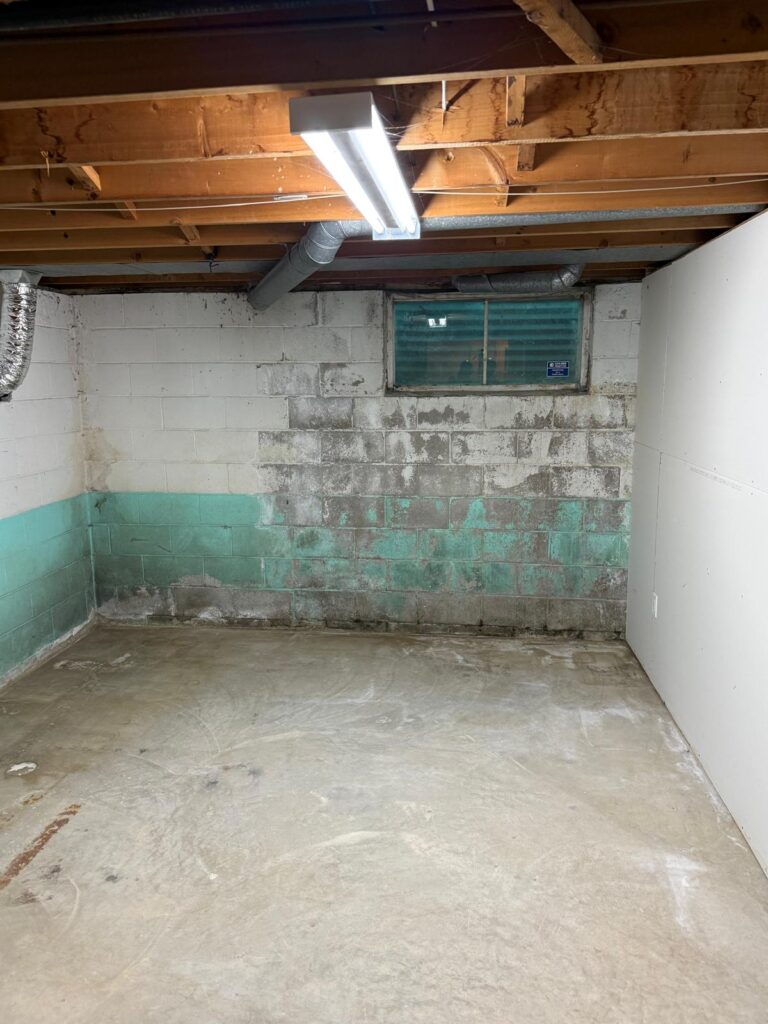
Cold Room Mold Removal Cost in Toronto
Cold room mold removal costs depend on the affected surface, the source of moisture, and whether water has entered through the foundation or surrounding structure. Cold rooms can develop mold when cold surfaces, high humidity, condensation, or foundation moisture create conditions that support mold growth.
Cold room mold removal is generally less extensive when growth is limited to accessible surfaces and the moisture source is straightforward to correct. Water intrusion, damaged finishes, or mold affecting porous materials can require more extensive remediation.
The main cost factors include:
- Condensation: Cold surfaces and inadequate airflow can allow moisture to accumulate.
- Foundation seepage: Water entering through walls or floors may require separate repairs.
- Affected materials: Mold on accessible masonry differs from contamination involving drywall, stored materials, or wood.
- Accessibility: Restricted cold rooms can increase the time needed to inspect and remediate affected areas.
- Moisture control: Improving airflow and correcting water entry helps reduce the risk of recurrence.
Learn more about cold room mold removal in Toronto.
Crawl Space Mold Removal Cost in Toronto
Crawl space mold removal costs depend on the size of the affected area, access conditions, moisture levels, and the condition of the wood framing and other materials. Common causes include ground moisture, plumbing leaks, condensation, and inadequate moisture control.
Crawl space mold remediation can cost more when restricted access, extensive wood contamination, or persistent ground moisture increases the amount of work required. Contractors may need to remove contaminated materials, clean affected surfaces, use appropriate protective equipment, and address the source of moisture.
The main crawl space mold removal cost factors include:
- Accessibility: Low clearance and restricted entry can increase labour time.
- Wood contamination: Mold affecting joists, subflooring, or other framing requires an appropriate remediation scope.
- Ground moisture: Persistent moisture may require a ground moisture barrier, drainage improvements, or other corrective work, depending on the cause.
- Plumbing leaks: Leaks must be repaired before the affected area can remain dry.
- Material removal: Damaged insulation or other contaminated materials may need removal and replacement.
Learn more about crawl space mold removal and cleanup.
What Determines Mold Removal Cost Across Different Areas?
Across Toronto homes, mold removal costs depend on five primary factors:
- Affected area: Larger areas generally require more labour, materials, and equipment.
- Material type: Mold affecting porous materials such as drywall and insulation may require removal and replacement.
- Accessibility: Mold inside walls, attics, crawl spaces, and confined areas can increase labour requirements.
- Remediation controls: Containment, HEPA air filtration, protective equipment, and waste disposal can add to the project cost.
- Moisture source: Roof leaks, plumbing failures, foundation seepage, and condensation problems may require separate corrective work.
A reliable mold removal estimate should identify the affected area, specify which materials require cleaning or removal, describe the remediation controls, and distinguish mold remediation from repairs needed to prevent recurring moisture.
How Much Does Mold Testing Cost Before or After Removal?
Mold testing and mold removal are separate services.
A visual inspection may be enough to develop a remediation scope when visible mold and its moisture source are already obvious. Air or surface sampling can be useful when contamination is hidden, documentation is required, or post-remediation verification is requested.
In Toronto, professional mold and indoor air quality testing commonly falls within several hundred dollars, depending on the number of samples, laboratory analysis and reporting required.
There are also two different stages of testing:
- Pre-remediation testing helps investigate an uncertain or hidden mold problem.
- Post-remediation verification or clearance testing is performed after cleanup to assess whether the remediation objectives were achieved.
See our complete Mold Testing Cost in Toronto guide →
How Much Does Attic Mold Removal Cost in Toronto?
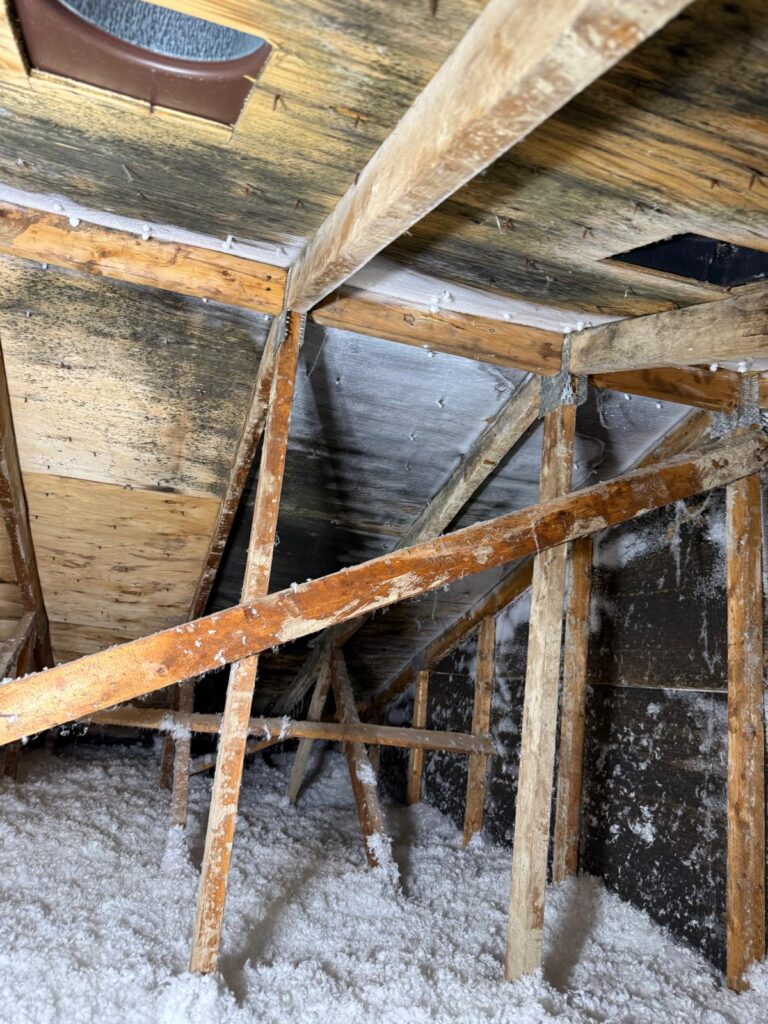
Attic mold removal in Toronto typically costs $3.50–$4.00 per square foot for standard attic mold treatment. The total cost depends on attic size, mold coverage, insulation contamination, accessibility, and the repairs needed to address the moisture source.
What Affects Attic Mold Removal Cost?
- Attic size: Larger attics generally require more labour, materials, and treatment time.
- Mold coverage: Mold affecting roof sheathing, rafters, or trusses can increase the remediation scope.
- Insulation removal: Contaminated or moisture-damaged insulation may require removal and replacement.
- Moisture damage: Roof leaks, poor ventilation, or other moisture problems may require repairs to prevent recurring mold growth.
- Accessibility: Tight spaces and difficult attic access can increase labour costs.
Small attic mold removal projects may cost less than full-attic remediation. Extensive mold growth, contaminated insulation, roof leaks, and moisture damage can increase the total cost by several thousand dollars.
How Is Attic Mold Removal Priced?
Professional attic mold removal contractors assess the attic, identify the moisture source, measure the affected area, and determine which materials require treatment or removal. They then provide a quote based on the remediation scope and any necessary repairs.
For an accurate attic mold removal estimate in Toronto, inspect the attic, identify the moisture source, measure the affected area, and confirm whether insulation or other materials need replacement before work begins.
Attic Mold Removal Cost Per Square Foot
Most Toronto homeowners want a simple number first. The table below gives a planning estimate based on the common square-foot pricing range used for attic mold removal in the GTA.
| Attic Size | Estimated Cost at $3.50 to $4.00/Sq. Ft. | What This Usually Covers |
|---|---|---|
| 500 sq. ft. attic | $1,750 to $2,000 | Smaller attic, limited access, light to moderate staining |
| 750 sq. ft. attic | $2,625 to $3,000 | Average attic, visible mold on sheathing or framing |
| 1,000 sq. ft. attic | $3,500 to $4,000 | Larger attic, more labour and surface area |
| 1,500 sq. ft. attic | $5,250 to $6,000 | Large attic, more complex setup and longer work time |
| 2,000 sq. ft. attic | $7,000 to $8,000 | Large home, heavy coverage, difficult access, or added prep |
There is an important distinction between attic treatment pricing and complete mold remediation pricing.
The attic square-foot rate may cover treatment of accessible roof sheathing and framing. Additional work such as contaminated insulation removal, ventilation correction, exhaust fan rerouting, roof leak repair, sheathing replacement or post-remediation testing can increase the total project cost.
Toronto attic mold commonly develops where warm indoor air reaches cold roof sheathing. Bathroom exhaust ducts terminating inside the attic, blocked soffit ventilation, air leakage, roof leaks and insufficient ventilation can all contribute to excess moisture.

How Attic Mold Removal Compares to Other Mold Removal Costs
Attic mold removal is priced differently because the work area is harder to access.
A bathroom wall or basement corner is usually easier to reach. An attic is different. The crew may need to work around insulation, trusses, roof nails, low clearance, poor lighting, and limited movement.
Attic mold also grows on building materials that matter to the structure of the home.
That may include:
- Roof sheathing
- Rafters
- Trusses
- Wood framing
- Insulation
- Attic hatch areas
- Bathroom fan ducts
- Roof vent openings
The cost is not only about removing visible mold.
A proper attic mold quote should also look at why the attic became damp. If the cause is ignored, the mold can return after removal.
Common attic moisture sources include:
- Bathroom fans venting into the attic
- Blocked soffit vents
- Poor roof ventilation
- Air leaks from the living space
- Missing insulation around the attic hatch
- Roof leaks
- Ice dam history
- Condensation on cold roof sheathing
This is why the cheapest attic mold removal quote is not always the best quote. If the quote does not include the cause, it may only treat the symptom.
What Actually Increases Mold Removal Cost in Toronto?
Mold removal costs in Toronto increase when remediation requires hidden mold investigation, contaminated material removal, containment, specialized equipment, difficult access, or structural repairs. The total cost depends more on the extent of contamination and the work required than on mold colour alone.
1. Hidden Mold Behind Finished Materials
Visible mold may represent only part of the affected area. Moisture can spread behind drywall, baseboards, flooring, and insulation before mold becomes visible.
Contractors may need to open affected sections, remove contaminated materials, and inspect the underlying structure. Drywall replacement, insulation installation, and finish repairs can increase the total project cost.
2. Porous Materials That Need Removal
Drywall, insulation, carpet, and other porous materials may require removal when mold contamination or moisture damage cannot be adequately addressed through cleaning.
Material removal adds labour, controlled demolition, disposal, and replacement costs. The required work depends on the material’s condition, the extent of contamination, and whether the material can be effectively cleaned.
3. Containment and HEPA Air Filtration
Extensive mold remediation may require containment barriers, HEPA-filtered air equipment, and negative air pressure to limit the spread of airborne particles and dust into surrounding areas.
These controls add setup time, equipment costs, monitoring, and cleanup requirements. The necessary level of containment depends on the project size, location, and risk of spreading contamination.
4. Difficult Access and Building Restrictions
Mold in attics, crawl spaces, mechanical rooms, and enclosed wall cavities often requires more labour than mold in open, accessible areas.
Toronto condominiums and commercial buildings may also have restricted working hours, service elevator bookings, access procedures, and designated waste disposal routes. These requirements can increase labour time and project costs.
5. Unresolved Moisture Problems
Removing mold without correcting the underlying moisture problem increases the risk of recurrence. Common causes include roof leaks, plumbing leaks, foundation seepage, condensation, poor ventilation, and excessive indoor humidity.
Depending on the source, additional work may include plumbing repairs, roof repairs, moisture control, ventilation improvements, or foundation waterproofing. These expenses may be separate from the mold remediation quote.
6. Reconstruction After Mold Remediation
Mold remediation and reconstruction are separate scopes of work. Remediation addresses the mold and affected materials, while reconstruction restores the damaged building components.
Additional expenses may include:
- Drywall installation and finishing
- Insulation replacement
- Flooring and baseboard replacement
- Painting and carpentry
- Roofing or plumbing repairs
- Other restoration work
Ask the contractor whether the quote includes reconstruction or whether these expenses will be billed separately.
Mold Removal vs. Mold Remediation vs. Restoration
These terms describe different parts of a mold-related project.
Mold removal: Removing mold growth from affected surfaces or materials.
Mold remediation: Addressing mold contamination through appropriate removal or cleaning methods, containment where needed, and measures to control the source of moisture.
Restoration and repairs: Replacing damaged materials and restoring walls, ceilings, flooring, or other building components.
Two mold removal quotes can differ significantly because they may cover different scopes of work. One contractor may quote surface treatment only, while another includes containment, material removal, HEPA cleaning, disposal, and post-remediation verification.
Compare the written scope of work, not just the total price. Confirm which materials will be removed, what equipment and containment will be used, how the moisture source will be addressed, and which repairs are included.
Red Flags When Hiring a Mold Removal Company
A low quote does not automatically mean poor service, and a high quote does not guarantee better results. However, certain warning signs can indicate that a contractor’s proposed work is incomplete, inadequately explained, or unnecessarily expensive.
1. The Contractor Gives a Firm Price Without Assessing the Problem
The company promises a final price for extensive or concealed mold without asking about the moisture source, inspecting the affected areas, or explaining its assumptions.
2. The Quote Does Not Explain What Is Included
A quote that lists only a lump-sum price makes it difficult to compare contractors.
Red flag: The proposal does not specify the affected areas, removal methods, containment requirements, disposal, cleanup, or exclusions.
Ask for a written scope that distinguishes remediation from reconstruction and identifies potential additional charges.
3. The Contractor Promises to Eliminate Every Mold Spore
Mold spores are naturally present in indoor and outdoor environments. A realistic remediation goal is to remove contamination, correct the moisture problem, and restore conditions that reduce the likelihood of mold growth.
Red flag: The company guarantees a permanently mold-free environment or promises to eliminate every spore from the property.
Ask what outcome the contractor guarantees and whether any post-remediation inspection or verification is included.
4. The Company Ignores the Source of Moisture
Mold can return when the conditions supporting its growth remain unresolved.
Red flag: The contractor proposes cleaning or treating the visible mold but does not investigate obvious leaks, condensation, damp materials, or ventilation problems.
The remediation plan should identify the suspected moisture source and explain whether the necessary repairs are included or require another contractor.
5. The Contractor Cannot Explain Its Containment and Safety Procedures
The required precautions vary by project size, location, and the materials involved.
Red flag: The contractor cannot explain how it will control dust and debris, protect occupied areas, handle contaminated materials, or determine whether containment and HEPA filtration are necessary.
Ask the company to explain its work-zone controls and cleanup procedures before work begins.
6. The Quote Uses Fear to Pressure You Into Immediate Work
Mold problems deserve appropriate attention, especially when active water intrusion or extensive contamination is present. However, a contractor should explain the observed conditions and proposed work rather than rely on scare tactics.
Red flag: The company claims that all mold is toxic, insists that your entire home must be treated without a clear assessment, or pressures you to sign immediately without a written scope.
Request the evidence supporting the proposed work and obtain another assessment when the scope or price seems disproportionate to the documented problem.
7. The Contractor Has No Clear Written Agreement or Warranty Terms
A written agreement helps establish what the contractor will do, how changes will be approved, and what happens if additional damage is discovered.
Red flag: The company refuses to document the work, leaves major exclusions unclear, or promises a warranty without explaining its coverage and limitations.
Before signing, confirm the payment schedule, change-order process, cleanup responsibilities, warranty terms, and procedure for handling concealed damage.
8. The Company Cannot Explain Its Experience or Insurance Coverage
Mold remediation may involve demolition, contaminated material handling, specialized equipment, and work in confined or occupied spaces.
Red flag: The contractor cannot provide relevant project experience, explain its remediation procedures, or confirm appropriate insurance coverage.
Ask for references from comparable projects and verify applicable insurance and qualifications before authorizing the work.
How to Compare Mold Removal Quotes in Toronto
Before choosing a contractor, compare these items across each written estimate:
- Inspection findings: Does the quote identify the affected areas and suspected moisture source?
- Scope of work: Does it specify which materials will be cleaned, removed, or replaced?
- Containment and equipment: Does it explain the controls and filtration required for the project?
- Disposal and cleanup: Are debris removal and final cleaning included?
- Moisture correction: Does it identify necessary repairs and clarify who will complete them?
- Additional costs: Does it explain how concealed damage and changes to the scope will be priced?
- Verification and warranty: Does it specify any post-remediation assessment, documentation, or warranty limitations?
The best mold removal quote is the one that clearly explains the problem, the work required, the costs included, and the work excluded. Compare contractors on scope, safety procedures, moisture control, and accountability rather than selecting the lowest price alone.
What Does a Professional Mold Removal Includes?
A mold removal quote should clearly separate remediation from repairs.
A professional remediation scope may include containment, HEPA filtration, removal of contaminated materials, cleaning, disposal and drying.
Other services may be separate:
| Service | May Be Separate From Remediation |
|---|---|
| Mold inspection or laboratory testing | Yes |
| Post-remediation clearance testing | Often |
| Drywall replacement | Often |
| Insulation replacement | Often |
| Painting and finishing | Usually |
| Plumbing or roof repairs | Usually |
| Ventilation corrections | Depends on scope |
| Flooring replacement | Usually |
This is important when comparing contractors.
A $2,500 quote and a $4,000 quote may represent completely different scopes. Compare what is being removed, cleaned, tested and rebuilt, rather than comparing the final number alone.
What Should Be Included in a Mold Removal Quote?
A fair mold removal quote should be easy to understand.
It should explain:
- How much area is affected
- Where mold is visible
- What caused the moisture
- Whether roof sheathing, rafters, trusses, or insulation are affected
- Whether containment is needed
- What cleaning or removal method will be used
- Whether insulation removal is included
- Whether attic ventilation repairs are included
- Whether roof leaks or exhaust fan issues are excluded
- Whether testing is included or separate
- How long the work will take
- What needs to happen to stop mold from returning
Why Does Mold Need to Be Removed?
Health Canada recommends addressing visible indoor mold and correcting the moisture problem that allowed it to grow.
Exposure to damp and moldy indoor environments has been associated with eye, nose and throat irritation, coughing, wheezing and worsening asthma symptoms. Individual responses can vary. Canada
The condition of the building materials also matters.
Visible mold on attic sheathing does not automatically mean the roof decking must be replaced. Materials that remain structurally sound may be candidates for professional remediation. Materials that have deteriorated because of prolonged moisture damage may require replacement.
The priority is to determine:
- how much area is affected
- why moisture accumulated
- which materials are contaminated
- whether those materials can be cleaned
- what needs to change to prevent recurrence
Health Canada recommends professional assessment and cleanup for extensive mold growth.

Does Home Insurance Cover Mold Removal in Toronto?
Ontario home insurance coverage for mold usually depends on what caused the moisture problem.
Mold that develops following a sudden insured event, such as certain burst pipes or appliance failures, may form part of a covered water-damage claim. Mold associated with gradual leakage, ongoing humidity, neglected maintenance or long-term seepage is commonly treated differently.
The important question is therefore not simply:
“Does my insurance cover mold?”
It is:
“Does my policy cover the event that caused the water and subsequent mold damage?”
Homeowners should document the water source, affected materials, moisture readings and remediation scope and confirm coverage directly with their insurer before assuming the work will be reimbursed.
Need help to get rid of mold?
Call  647-985-2739 For an Affordable Quote

Ultimate Mold Crew, offers Insured, WSIB certified, mold removal services in Toronto and the surrounding Greater Toronto Area. With more than 10 years of experience, we specialize in remediation, air quality testing & structural remediation.
Toronto Mold Removal Cost FAQs
How much does mold removal cost in Toronto?
Small professional mold removal projects may start around $500. A contained single-area project often costs about $1,250 to $4,000, while larger basement, attic or hidden mold remediation can cost $2,000 to $9,000 or more. Extensive structural remediation may exceed $10,000.
How much does mold removal cost per square foot?
Larger professional remediation projects are often estimated around $10 to $30 per square foot. Small jobs can have a higher effective square-foot cost because containment, labour and filtration create minimum setup costs.
What is the biggest factor affecting mold removal cost?
The affected area and materials usually have the largest impact. Mold inside drywall, insulation or enclosed cavities usually requires more work than contamination on an accessible hard surface.
Is mold testing included in mold removal?
Testing is sometimes separate from remediation. Ask whether inspection, laboratory analysis and post-remediation clearance are included before comparing quotes.
Does insurance cover mold removal in Ontario?
Coverage depends on the cause of the water damage and the individual policy. Mold associated with a sudden covered water loss may be treated differently from mold caused by long-term leakage, humidity or maintenance issues. Homeowners should confirm coverage directly with their insurer.
Can I remove mold myself?
Health Canada states that small areas can sometimes be cleaned using appropriate procedures and protective equipment. Larger, recurring or hidden mold problems should be professionally assessed.
