
Updated on 16-Dec-2025
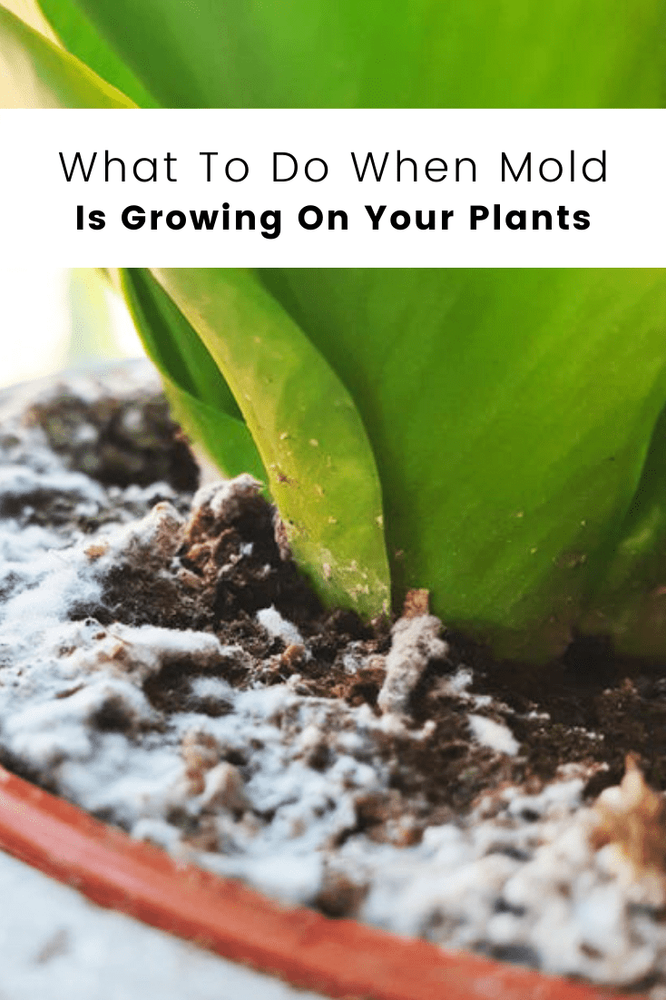
Mold on plant soil is a common problem for indoor gardeners, especially in cooler climates where houseplants spend long periods indoors. While some types of soil mold are harmless, others can weaken plants, damage roots, and even affect indoor air quality.
Understanding why mold grows, what type you’re dealing with, and how to remove it safely can help you restore plant health and prevent future outbreaks.
Table of Contents
What Is Mold on Plant Soil?
Mold on plant soil is typically caused by saprophytic fungi—organisms that feed on decaying organic matter. These fungi thrive in moist, poorly ventilated environments, making overwatered houseplants an ideal breeding ground.
In natural outdoor settings, beneficial microorganisms keep fungal growth in balance. Indoors, however, limited airflow and excess moisture allow mold to spread quickly on the soil surface.
Is Mold on Plant Soil Harmful to People?

Is Mold on Plant Soil Harmful to Humans?
Most soil molds are not dangerous, but some can trigger:
-
Allergic reactions
-
Respiratory irritation
-
Asthma symptoms in sensitive individuals
Certain molds may release mycotoxins, especially in damp indoor environments. While serious health risks are rare, it’s best to address mold promptly—especially in homes with children, elderly individuals, or compromised immune systems.
- mold and fungus (also read – Difference Between Mold and Mildew
Common Types of Mold Found on Plant Soil
White Mold on Plant Soil
The most common type, white mold is usually harmless but indicates excess moisture and poor drainage.
Yellow Mold (Slime Mold)
Often called “dog vomit slime mold,” this organism thrives in warm, wet soil rich in organic matter.
Green Mold or Algae
Green growth is often algae rather than mold and signals compacted soil, excess light, and constant moisture.
Brown Mold
Brown mold forms in soggy soil and may indicate decaying roots caused by overwatering.
Gray Mold (Botrytis)
Gray mold is more serious and often affects weakened plants, spreading to leaves and stems. It’s commonly associated with root or leaf rot.
Blue Mold
Usually saprophytic and not harmful, blue mold appears in soils with high organic content but should still be monitored.
Orange Mold
A slime mold scientifically known as Physarum polycephalum, orange mold feeds on bacteria from decomposing plant matter.
What Causes Mold to Grow on Houseplant Soil?
The most common causes include:
-
Overwatering
-
Poor drainage holes
-
Compacted or low-quality potting soil
-
High indoor humidity
-
Poor air circulation
-
Decomposing leaves left on soil
What Leads to Mold Growing on Soil in the First Place?
So what conditions lead to mold growth? Here are some things to look out for.
The following are some of the most common reasons for mold growing on soil in your pots and containers.
Over Watering. Water is the most important component for plant life. Too much water can be deadly for plants. Too much moisture in the potting soil can lead to moldy soil.
Poor Drainage. If the potting soil remains wet for long periods, the plant will eventually die and begin to mold. Decaying roots, stems, and leaves are breeding grounds for mold spores.
Poor Air Circulation. Mold will only spread if your potting soil is contaminated or infected. This can be particularly harmful for indoor plants that aren’t exposed to outside bacteria.
Contaminated Soil. When you start with contaminated or infected potting soil, the mold will only continue to spread. This can be especially harmful for indoor plants that are not exposed to outside bacteria.
Decomposing Leaves. Dead leaves on potted plants should be removed quickly so that they do not provide additional food for soggy soil mold.
How To Get Rid Of Mold In Houseplant Soil

-
Remove visible mold using a spoon or scoop.
-
Repot the plant using fresh, sterile potting mix.
-
Wash and disinfect the pot before reuse.
-
Improve drainage with proper containers and soil amendments.
-
Let soil dry out between watering cycles.
Sunlight exposure can also help, as UV rays naturally kill mold spores.
Natural & Chemical Treatments for Soil Mold
-
Hydrogen peroxide (3%) diluted with water kills fungal spores safely.
-
Potassium bicarbonate works as a natural fungicide.
-
Cinnamon acts as a mild antifungal when sprinkled on soil.
-
Commercial fungicides may be used for persistent mold issues.
Can You Use Vinegar for Moldy Plant Soil?
Vinegar can kill surface mold but must be diluted (50% water). Avoid using it on acid-sensitive plants, as vinegar lowers soil pH and may damage roots.

How to Prevent Mold in Houseplants
-
Water only when the topsoil feels dry
-
Use pots with proper drainage holes
-
Avoid overcrowding plants
-
Improve air circulation indoors
-
Choose well-draining soil mixes
-
Remove dead leaves promptly
When Mold Indicates a Bigger Problem
Persistent mold may signal deeper issues like root rot or chronic overwatering. If plants continue to decline despite treatment, replacing the soil—or the plant—may be necessary.
Get Professional Help
Mold thrives when it is exposed to moist conditions. If you want to prevent mold from taking over your home or business, rely on the service of a reputable mold remediation company. These professionals provide comprehensive services and keep offensive spores from spreading.
Toronto Mold removal specialists use industry-approved cleaning solutions and best practices to thoroughly clean up the mold. Skilled crews repair or replace surfaces that are damaged by mold growth as the final step in the reliable and proven mold remediation process.
GET EMERGENCY HELP
