
Updated on 20-Feb-2026
Table of Contents
Blue Mold – A Silent Invader in Our Homes
Have you ever encountered an unsettling patch of blue on your walls or ceiling, wondering what it is and how it managed to invade your home?
This introductory section delves into the pervasive issue of blue mold, a common yet often overlooked problem affecting many households.
Blue mold, primarily caused by Penicillium species, doesn’t just compromise the aesthetic appeal of your interiors; it poses significant health risks and indicates underlying moisture problems within your structure.
Understanding blue mold’s origins, its impact on health, and why it’s crucial to address it promptly forms the core of our discussion.
By recognizing the signs of blue mold and comprehending its implications, homeowners can take informed steps towards a healthier, mold-free living environment.
Whether you’re a long-time homeowner or new to property maintenance, this exploration will equip you with the knowledge needed to safeguard your home against the silent invasion of blue mold.
What is Blue Mold?
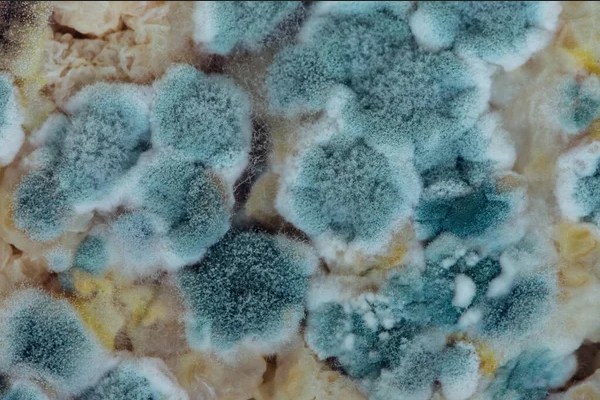
Blue mold, often known scientifically as Penicillium or Aspergillus, is a genus of fungi that comprises over 300 species and is caused by persistent moisture from leaks, high humidity (>60%), or poor ventilation. This mold is not just a single entity but a family of molds known for their rapid growth [spreads within 24–48 hours] and blue or green appearance.
Often found in homes affected by moisture or water damage, Penicillium can thrive on various surfaces, including walls, ceilings, insulation, and even food products.
Understanding the specifics of blue mold, including its identification, common habitats within the home, and health implications, is crucial for homeowners and property managers.
Remove it using a bleach solution (1 part bleach to 10 parts water) or specialized mold killers, ensuring proper cleaning and drying of the area.
Sources –
- https://www.ncbi.nlm.nih.gov/pmc/articles/PMC8904086/
- https://www.sciencedirect.com/topics/agricultural-and-biological-sciences/blue-mold
Blue Mold (Walls/Ceiling)
→ caused_by → Moisture + Organic Surface
→ grows_on → Drywall / Wood / Paint
→ spreads_via → Airborne Spores
→ produces → Allergens + Possible Mycotoxins
→ leads_to → Respiratory Problems
→ controlled_by → Moisture Control + Cleaning + Remediation
Understanding Penicillium
Penicillium species are particularly noteworthy for their contribution to the production of penicillin, the first antibiotic discovered. However, the presence of Penicillium in indoor environments is a cause for concern due to potential health risks and property damage. These molds grow in colonies that appear blue or green and can spread quickly through spore dispersion in the air.
Where is Blue Mold Found

Blue mold is commonly found in areas with high humidity levels or where water leakage and condensation occur. Basements, bathrooms, kitchens, and areas around plumbing leaks are particularly susceptible.
It thrives on organic materials such as wood, paper, and fabric, making poorly ventilated or damp areas within homes ideal for its growth.
Distinguishing Blue Mold from Other Mold Types
While blue mold shares some characteristics with other molds, such as the ability to grow on various surfaces and the potential for causing health issues, its distinctive coloration and growth patterns set it apart.
Unlike black mold (Stachybotrys chartarum), which is known for its severe health risks and black appearance, blue mold is generally less toxic but can still cause allergic reactions, respiratory issues, and other health problems in sensitive individuals.
| Feature | Blue Mold (Penicillium) | Black Mold (Stachybotrys chartarum) | White Mold |
|---|---|---|---|
| Color | Typically blue or green | Dark black or greenish-black | White, can turn to black |
| Texture | Powdery or velvety | Slimy, with a wet layer on the surface | Fuzzy or powdery |
| Common Locations | Found on walls, ceilings, insulation, and food | Prefers areas with constant moisture, like leaky walls, ceilings | Common on wooden surfaces, drywall, and furniture |
| Health Effects | Allergic reactions, asthma attacks, respiratory infections | Severe respiratory problems, headaches, fatigue, skin rash | Allergies, respiratory symptoms, can be less harmful but still problematic |
| Growth Condition | Thrives in areas with high humidity and moderate temperature | Requires a water-damaged environment to grow | Can grow in slightly drier conditions than other molds |
This table outlines key differences between blue mold, black mold, and white mold, focusing on their appearance, common locations within homes, health effects, and conditions promoting their growth.
Key Difference from Agricultural Blue Mold
| Aspect | Fruit Blue Mold | Indoor Blue Mold |
|---|---|---|
| Context | Postharvest crops | Residential buildings |
| Primary Risk | Food contamination | Health + Structural damage |
| Main Driver | Fruit wounds | Moisture intrusion |
| Control | Cold storage | Dehumidification + Leak repair |
Health Effects of Blue Mold
Exposure to Penicillium spores can lead to allergic reactions, asthma attacks, and respiratory infections in susceptible individuals. The health risks associated with blue mold make it important to identify and remediate mold growth promptly to maintain indoor air quality and protect the health of home occupants.

