

Updated on 13-Mar-2026
Table of Contents
Mushrooms Growing Out of Walls: What It Means and Why It’s Dangerous
Are you aware that mold mushrooms could be silently invading your home?
Mushrooms growing indoors are fruiting bodies of fungi.
This means: the fungal network inside the wall is already extensive.
Mold mushrooms growth in the house is a growing concern for homeowners and renters alike, as it poses a risk to both their health and the structural integrity of their home.
The sight of a black mold mushroom growing out of your wall is certainly unsettling, but it’s essential to understand how and why these fungi appear in our homes, and most importantly, how to prevent and eliminate them.
In this comprehensive guide, we will explore the causes of mold mushrooms growth in the house, their potential health hazards, and how to identify different types of indoor mold.
Mushrooms Growing in Your House? Here’s What It Actually Means
Finding mushrooms growing inside your home can be alarming. Some homeowners notice them pushing through drywall, appearing along baseboards, or even growing from bathroom ceilings or damp walls.
While it may look unusual, indoor mushroom growth is usually a clear warning sign of serious moisture problems inside the structure of the building.
Mushrooms are not the same as mold spots that appear on surfaces. Instead, they are the fruiting bodies of fungi, meaning they are produced by a larger fungal network growing inside materials such as wood, drywall, or insulation.
In other words, if a mushroom appears indoors, the fungus responsible for it has likely been growing inside the structure for some time
Expert Insight
“Seeing mushrooms growing inside a house usually means there is significant hidden moisture and fungal growth inside the building materials,” explains the team at Ultimate Mold Crew. “The mushroom itself is often just the visible part of a much larger fungal network.”

Fungi thrive in environments where three conditions exist:
• persistent moisture
• organic materials such as wood or drywall
• limited ventilation
When these conditions remain for long periods, fungal colonies can develop within structural materials. Eventually, mushrooms may emerge as the fungus reproduces.
Indoor mushroom growth is most often linked to hidden water damage, such as slow plumbing leaks, roof leaks, flooding, or prolonged condensation inside walls.
Because of this, mushrooms growing indoors should never be ignored.
Mold Mushroom Species Found Growing in Homes
One of the fungal species most commonly associated with indoor mushroom growth is Coprinellus domesticus, sometimes referred to as the firerug inkcap mushroom.
This species is known for appearing on damp wood, drywall, and structural materials inside buildings where moisture has been present for extended periods.
Coprinellus domesticus often grows in clusters and can appear yellowish, brown, or gray as it develops. In many cases, it forms small mushrooms that emerge from cracks in walls, baseboards, or damaged wood.
The presence of this type of fungus often indicates that building materials have remained wet long enough for fungal colonies to establish themselves.
Although this species is not typically considered highly toxic, its presence signals that the conditions allowing fungal growth still exist inside the structure.
Although mold and mushrooms are both types of fungi, they behave differently inside homes.
Mold usually appears as patches or discoloration on surfaces, while mushrooms grow as visible fruiting bodies emerging from materials.
| Feature | Mold | Mushrooms |
|---|---|---|
| Appearance | Spots or fuzzy patches | Small mushroom caps growing from materials |
| Growth location | Surface of drywall, wood, or fabric | Inside materials like wood or wall cavities |
| Moisture requirement | Damp surfaces | Long-term saturated materials |
| Structural impact | Surface contamination | Can indicate deeper fungal decay |
Mold growth typically develops on surfaces where moisture collects, such as bathroom ceilings or basement walls.
Mushrooms, on the other hand, usually form when fungi have been growing inside structural materials for an extended period.
Is a Mushroom Growing Out of a Wall Dangerous?
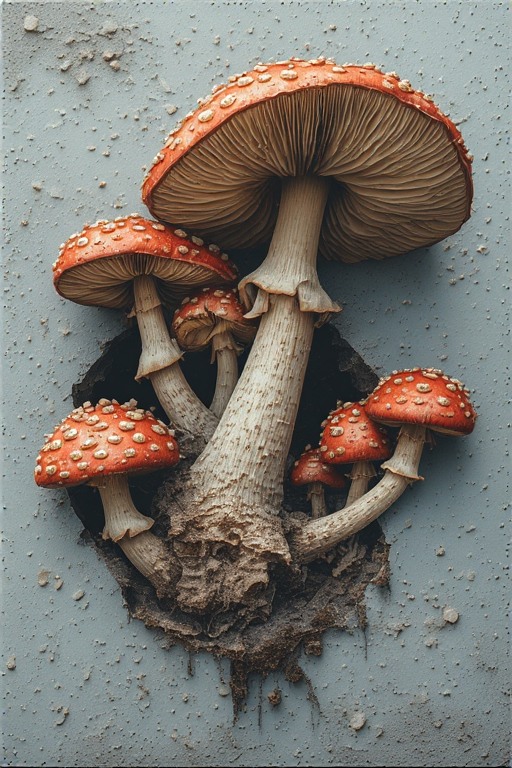
Yes, mushrooms growing out of a wall can indicate a serious underlying moisture and fungal problem inside the building structure.
When a mushroom appears indoors, it usually means the fungus has already developed an extensive network of microscopic filaments called mycelium inside materials such as wood framing, drywall, or insulation. The visible mushroom is simply the reproductive stage of that fungal organism.
Because fungi require sustained moisture to grow, indoor mushrooms often signal that water damage or hidden leaks have been present for a long time.
“In many inspections we perform, mushrooms growing indoors are connected to long-term moisture problems behind the wall,” “By the time the mushroom becomes visible, the fungal growth inside the material may already be well established.” Johnny C Ultimate Mold Crew.
While the mushroom itself may not always be toxic, its presence should be treated as a warning sign that moisture and fungal activity exist inside the wall cavity.
Common Causes of Mold Mushroom Growth On Walls
Excessive moisture and humidity
One of the primary factors contributing to mold mushrooms growth in the house is excessive moisture and humidity. High levels of moisture can result from various sources, including poor ventilation, leaks, and water damage. It’s crucial to identify and address these moisture sources to prevent mold growth.
Leaks and water damage
Plumbing leaks, roof leaks, and water damage can all lead to the growth of mold mushrooms in the house. These issues can go unnoticed for extended periods, providing an ideal environment for mold and fungi to thrive. Regular inspections and maintenance can help you detect and fix leaks and water damage early on, preventing mold growth.
Poor ventilation and air circulation
Poor ventilation can lead to stagnant air and increased humidity in your home, creating a conducive environment for mold growth. To prevent mold mushrooms from growing in your home, it’s essential to ensure adequate air circulation and ventilation, particularly in areas prone to moisture, such as bathrooms and kitchens.
Organic material buildup
Mold mushrooms feed on organic materials like wood, drywall, and even dust. When these materials become damp and humid, they create a perfect breeding ground for mold growth. To prevent mold mushrooms from growing in your home, regularly clean and remove organic materials that may accumulate moisture.
| Cause | How It Leads to Indoor Mushroom Growth |
|---|---|
| Plumbing leaks | Water slowly saturates drywall or wood inside walls |
| Roof leaks | Moisture travels through ceilings and framing |
| Poor bathroom ventilation | Steam condenses on walls and ceilings |
| Flooding or water damage | Structural materials remain damp for long periods |
| High indoor humidity | Moisture accumulates inside enclosed spaces |
Health Risks Associated with Mushroom Mold Growth in Home

Mushrooms growing inside a house are usually a sign that fungal growth and moisture problems exist within the building structure.
While the mushroom itself may not always be highly toxic, indoor fungal growth can still affect indoor air quality and potentially cause health concerns.
Fungi release microscopic spores into the air as part of their natural reproductive cycle. When these spores accumulate indoors, they may irritate the respiratory system, especially for individuals who are sensitive to mold or fungi.
“Whenever we encounter mushrooms growing indoors, we treat it as an indicator that moisture and fungal growth are present inside the building materials,” explains the team at Ultimate Mold Crew.
Allergies and respiratory issues
Mold mushrooms growth in the house can trigger allergies and respiratory issues, particularly for individuals with pre-existing conditions such as asthma. Mold spores can irritate the eyes, nose, and throat, causing symptoms like sneezing, coughing, and congestion.
Toxic mold exposure
Some mold species produce toxic compounds called mycotoxins, which can pose severe health risks when inhaled or ingested. Prolonged exposure to toxic mold can lead to neurological issues, respiratory problems, and in extreme cases, organ damage.
Compromised immune system response
Mold exposure can weaken the immune system, making individuals more susceptible to infections and illnesses. It’s particularly concerning for individuals with weakened immune systems, such as the elderly, young children, or those undergoing medical treatments and even pets such as dogs.
Identifying Types of Mushroom Mold Growth on Walls

Common mold species found on mushrooms
There are several mold species that can grow on mushrooms, including Aspergillus, Penicillium, and Cladosporium. These molds can vary in color and appearance, ranging from black mold mushrooms to green, white, or gray growths.
Here is a closer look at some common mold species found on mushrooms:
Aspergillus
Aspergillus is a genus of mold that consists of several species. It can appear in various colors, such as green, black, or yellow, and can grow on mushrooms and other organic materials. Some species of Aspergillus, like Aspergillus flavus, produce mycotoxins called aflatoxins, which can be harmful to humans and animals when ingested. Aflatoxins are potent carcinogens and can cause liver damage or even liver cancer in severe cases.
Penicillium
Penicillium is another common mold species that can grow on mushrooms. It is often blue or green in color and has a fuzzy texture. While some species of Penicillium are known for their beneficial uses, such as the production of the antibiotic penicillin, others can produce mycotoxins, like ochratoxin A and citrinin, which can be harmful when consumed in large amounts. Ochratoxin A has been linked to kidney damage, while citrinin can cause kidney and liver toxicity.
Cladosporium
Cladosporium is a widespread mold species that can grow on various organic materials, including mushrooms. It typically appears as dark green or black spots and has a velvety texture. also see carpet mold, toilet mold Cladosporium is less likely to produce mycotoxins compared to Aspergillus and Penicillium, but it can still cause allergic reactions or asthma symptoms in sensitive individuals.
Mucor
Mucor is a fast-growing mold that can also be found on mushrooms. It is characterized by its white, gray, or beige color and cottony texture. While Mucor is generally less harmful than other mold species, it can cause allergic reactions or respiratory problems in susceptible individuals. In rare cases, Mucor can cause mucormycosis, a severe and potentially life-threatening fungal infection.
Alternaria
Alternaria is another mold species that can grow on mushrooms, appearing as dark green, black, or gray spots with a velvety texture. It is a common allergen and can cause respiratory issues or allergic reactions in sensitive individuals.
Preventing Mushrooms Growing in Home
Regular inspection and maintenance
Conducting regular mold inspections of your home can help identify potential sources of moisture and mold growth. Addressing these issues early on can prevent the development of mold mushrooms in your home.
Controlling indoor moisture levels
Keeping indoor moisture levels in check is vital for preventing mold growth. Use dehumidifiers, exhaust fans, and air conditioners to maintain optimal humidity levels. Fix any leaks or water damage promptly to minimize the risk of mold development.
Proper ventilation and air purification
Ensure proper ventilation and air circulation in your home, especially in damp areas like bathrooms and kitchens. Use air purifiers with HEPA filters to remove mold spores and other allergens from the air, maintaining a healthy indoor environment.
How to Safely Remove Mushrooms Growing in Walls
If mushrooms appear indoors, the most important step is not simply removing the visible mushroom. The underlying moisture problem must be addressed to prevent fungal growth from continuing inside the structure.
Before attempting any cleanup, basic safety precautions should be taken.
• wear gloves
• wear a mask or respirator to reduce exposure to spores
• ventilate the area if possible
Small mushrooms growing on the surface of damp materials can sometimes be removed carefully by hand or with a tool. However, simply removing the mushroom does not eliminate the fungal network growing inside the material.
The next step is identifying and fixing the source of moisture. This may involve:
• repairing plumbing leaks
• addressing roof leaks
• improving bathroom ventilation
• drying damp building materials
In some situations, the affected materials themselves may need to be removed.
“For indoor mushroom growth, the visible mushroom is usually just the tip of the problem,” “The fungal growth inside the wall or wood often needs to be addressed to fully resolve the issue.” says Ultimate Mold Crew.
If mushrooms continue to appear, if the affected area is large, or if moisture damage is extensive, professional mold remediation may be recommended to safely remove contaminated materials and correct the moisture conditions.
Also Read – Mushroom Growing in Bathroom – How to Identify & Remove it?
How to Prevent Indoor Mushroom Growth in Homes
Preventing indoor mushroom growth primarily involves controlling moisture inside the home. Because fungi require sustained dampness to grow, eliminating moisture sources is the most effective way to stop fungal development.
Homeowners can reduce the risk of indoor fungal growth by taking several preventative steps.
• repair plumbing leaks as soon as they are discovered
• maintain proper roof and attic ventilation
• use exhaust fans in bathrooms and kitchens
• keep indoor humidity levels below 50 percent
• inspect basements and crawl spaces for dampness
Bathrooms, basements, and areas near exterior walls are especially important to monitor because these locations often experience higher humidity levels.
FAQs about Mold Mushrooms Growing in Home
Is mold on mushrooms harmful?
Mold on mushrooms can be harmful, especially if it produces mycotoxins. While not all molds are toxic, it’s essential to address any mold growth in your home to prevent potential health risks.
What is the mold that grows on mushrooms?
Various mold species can grow on mushrooms, including Aspergillus, Penicillium, and Cladosporium. These molds can vary in color and appearance, ranging from black to green, white, or gray.
Can indoor mushroom growth cause structural damage?
Indoor mushroom growth can cause structural damage as the mold feeds on organic materials like wood and drywall. Prolonged mold infestations can weaken the structural integrity of your home.
Conclusion – Mold Mushroom On Walls in Home
Maintaining a mold-free and healthy home environment is crucial for your well-being and the structural integrity of your property. By understanding the causes of mold mushrooms growth in the house and implementing preventive measures, you can protect your home and your health. If you suspect mold growth in your home, don’t hesitate to seek professional help to address the issue effectively and safely.
By regularly inspecting your home, addressing moisture issues, and ensuring proper ventilation, you can significantly reduce the risk of mold mushrooms growth in your house. When faced with mold growth, it’s essential to act quickly, whether using DIY techniques for small infestations or seeking professional Mold Removal Toronto help for more extensive or toxic mold problems.
Let Us tackle your mold problems?

References
- Centers for Disease Control and Prevention (CDC). (2021). Mold. Retrieved from https://www.cdc.gov/mold/default.htm
- Environmental Protection Agency (EPA). (2021). Mold and Health. Retrieved from https://www.epa.gov/mold/mold-and-health
- Health Canada. (2021). Fungal Contamination in Public Buildings: Health Effects and Investigation Methods. Retrieved from https://www.canada.ca/en/health-canada/services/publications/healthy-living/fungal-contamination-public-buildings-health-effects-investigation-methods.html
Additional Resources
- Mayo Clinic. (2021). Mold Allergy. Retrieved from https://www.mayoclinic.org/diseases-conditions/mold-allergy/symptoms-causes/syc-20351519
- National Institute of Environmental Health Sciences (NIEHS). (2021). Mold. Retrieved from https://www.niehs.nih.gov/health/topics/agents/mold/index.cfm
- Indoor Air Quality Association (IAQA). (2021). Find a Pro. Retrieved from https://iaqa.org/find-a-pro/
- Institute of Inspection, Cleaning and Restoration Certification (IICRC). (2021). Locate a Certified Professional. Retrieved from https://www.iicrc.org/LocateaCertifiedProfessional
Peer Research & Studies for Indoor Mold Mushroom
| # | Citation | Key Focus |
|---|---|---|
| 1 | Fabros, J. A., et al. (2025). Status review of the distribution and biological compounds of Coprinellus mushrooms. | Comprehensive review in Studies in Fungi detailing the saprotrophic nature of Coprinellus species and their ability to aggressively decay organic building materials like wood and drywall. |
| 2 | Stupar, M., et al. (2025). Speleomycology and the Adaptation of Fungi to Cold, Damp Environments. | Research in the Journal of Fungi explaining how certain fungal species adapt to permanently damp environments, mirroring the conditions found in water-damaged building cavities. |
| 3 | Adams, R. I., et al. (2020). Fungal Signature of Moisture Damage in Buildings. | Peer-reviewed study in Microbiome identifying specific fungal “signals” (including macrofungi) that serve as unambiguous indicators of long-term, hidden moisture damage in residential structures. |
| 4 | Lindemann, V., et al. (2022). Analysis of mold and mycotoxins in naturally infested indoor environments. | Study in Environmental Science and Pollution Research discussing the health hazards of indoor fungal infestations and the potential for mycotoxin exposure from diverse fungal species. |
| 5 | Andersen, B., et al. (2021). A Pilot Study on Baseline Fungi and Moisture Indicator Fungi in Homes. | Research in the Journal of Fungi characterizing “moisture indicator fungi” and confirming that the presence of visible fruiting bodies (mushrooms) correlates with severe, localized water intrusion. |
| 6 | Norbäck, D. (2019). Microbial Agents in the Indoor Environment and Respiratory Health. | Foundational review in Nature confirming the international consensus that damp buildings and fungal growth significantly increase the risk of asthma, rhinitis, and respiratory infections. |
| 7 | Saghir, S. A., et al. (2026). Molds and mycotoxins indoors: Current issues and way forward. | Recent 2026 study investigating the adverse health effects of total indoor microbial loads, emphasizing the toxicological risks associated with prolonged exposure to damp-building fungi. |
| 8 | MushroomExpert (2024). Coprinellus domesticus: The Firerug Inkcap and Indoor Colonization. | Technical mycological resource detailing how Coprinellus domesticus and Peziza domiciliana specifically colonize damp indoor substrates like basement rafters and bathroom walls |
